Why Stainless Steel Fruit Baskets Are Better Than Plastic or Wooden Ones
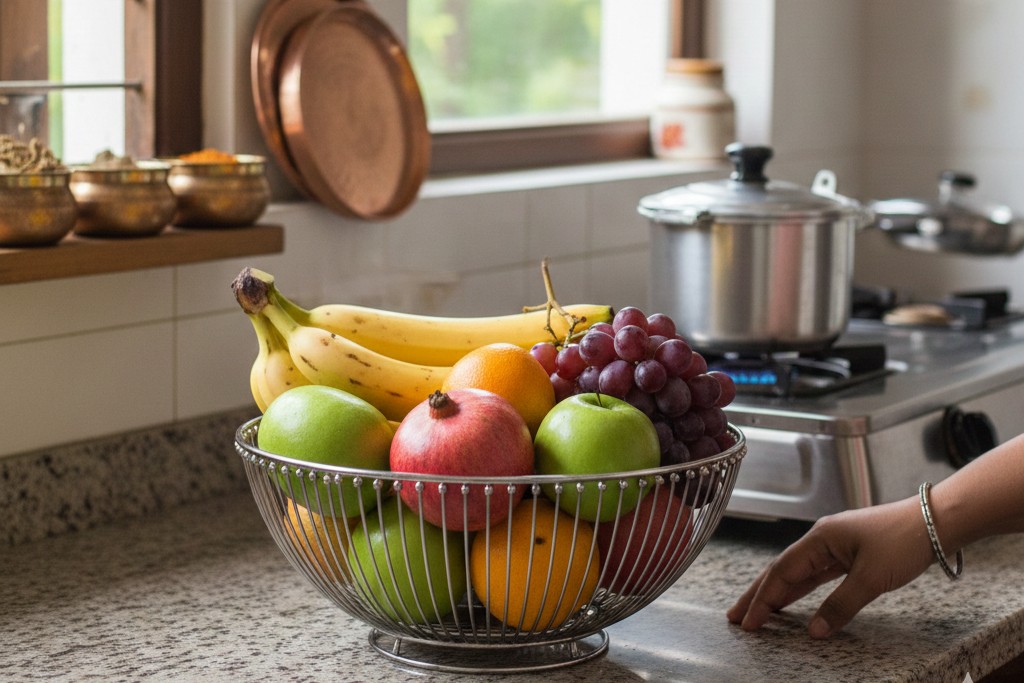
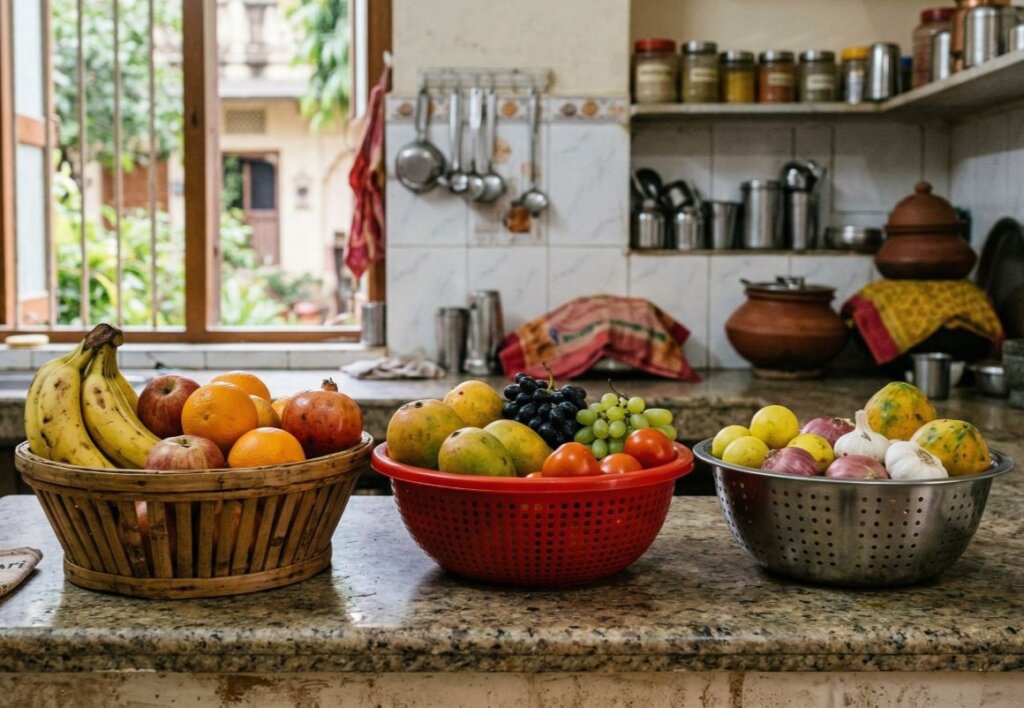
Fruits are a daily essential in most Indian households, whether it’s bananas for breakfast, apples for snacks, or seasonal mangoes and guavas. But how you store these fruits plays a bigger role than most people realize. Many homes still use plastic bowls or wooden baskets without considering hygiene, durability, or how well fruits stay fresh. With changing lifestyles and increasing awareness about cleanliness and long-term usability, stainless steel fruit baskets are becoming a preferred choice. They are not just about looks but also about practicality in Indian kitchens where heat, humidity, and frequent usage can affect storage items. In this article, we’ll compare stainless steel with plastic and wooden fruit baskets to help you understand why steel stands out as the better option. Durability That Matches Indian Kitchen Conditions Indian kitchens are high-usage spaces. From daily cooking to frequent cleaning, kitchen items need to withstand wear and tear. Plastic baskets often crack over time, especially when exposed to heat or heavy fruits. Wooden baskets, while sturdy initially, can weaken due to moisture and may even develop cracks or splinters. Stainless steel, on the other hand, is built for long-term use. It doesn’t break, chip, or degrade easily, even with regular handling. This makes it a reliable option for households where kitchen tools are used multiple times a day. Additionally, stainless steel is resistant to corrosion, which is why many people prefer it for utensils as well. If you’re curious about this property, you can learn more about why stainless steel utensils do not rust and how it benefits everyday kitchen use. Better Hygiene and Food Safety Hygiene is one of the most important factors when storing fruits, especially in India where dust, humidity, and temperature fluctuations are common. Plastic baskets can absorb stains and odours over time, making them difficult to clean completely. Wooden baskets are even more problematic, as they can absorb moisture and become a breeding ground for bacteria and mold. Stainless steel is non-porous, which means it does not absorb moisture, smells, or bacteria. This makes it much easier to maintain cleanliness and ensures that your fruits remain safe to consume. A simple wash is enough to keep it clean, and if you want to maintain shine and hygiene, you can follow these practical tips on how to clean stainless steel utensils for long-lasting use. Improved Air Circulation Keeps Fruits Fresh Longer One of the key reasons fruits spoil quickly is poor air circulation. When fruits are stored in closed or poorly ventilated containers, moisture builds up, leading to faster ripening and decay. Plastic containers often trap air, and even wooden baskets may not provide consistent ventilation depending on their design. Stainless steel fruit baskets are usually designed with open structures or perforations that allow proper airflow. This helps in maintaining freshness for a longer period, especially for fruits like bananas, apples, and oranges. Good ventilation is particularly important in Indian climates where humidity can accelerate spoilage. To further improve fruit longevity, you can also explore practical tips in this guide on how to store fruits properly in Indian kitchens, which complements the use of ventilated storage like steel baskets. Easy Maintenance and Cleaning In a busy household, convenience matters. Kitchen items that require special care or delicate handling often become impractical over time. Plastic baskets may seem easy to clean initially, but they tend to develop scratches and stains that are difficult to remove. Wooden baskets require even more effort, as they cannot be washed frequently with water without risking damage. Stainless steel fruit baskets are extremely low-maintenance. They can be washed regularly without worrying about damage, and they do not retain stains or odours. Even if exposed to fruit juices or spills, they can be cleaned quickly and effectively. This makes them ideal for Indian kitchens where efficiency and cleanliness go hand in hand. Aesthetic Appeal for Modern and Traditional Kitchens Today’s kitchens are not just functional spaces but also a reflection of personal style. Whether you have a modern modular kitchen or a traditional setup, the items you use contribute to the overall look. Plastic baskets often look cheap over time, especially when they fade or discolor. Wooden baskets can look good initially but may lose their charm as they age. Stainless steel offers a timeless and versatile look that suits all types of kitchens. Its clean and polished finish adds a sense of neatness and sophistication to your countertop or dining table. It blends well with other steel utensils commonly used in Indian homes, creating a cohesive and organised appearance. Cost-Effectiveness in the Long Run At first glance, plastic baskets may seem like the most affordable option. However, they often need to be replaced frequently due to cracks, stains, or wear and tear. Wooden baskets, while slightly more durable, can also deteriorate over time if not maintained properly. Stainless steel fruit baskets may have a slightly higher upfront cost, but they last significantly longer. This makes them a cost-effective investment in the long run. Instead of replacing your fruit basket every few months or years, a good-quality steel basket can serve you for many years without losing its functionality or appearance. If you’re considering switching, a stainless steel fruit basket is a practical option that balances durability, hygiene, and value. Eco-Friendly and Sustainable Choice Sustainability is becoming increasingly important, even in everyday household decisions. Plastic baskets contribute to environmental waste, especially when they need to be replaced frequently. They are also difficult to recycle in many cases. Wooden baskets, while natural, still involve the use of resources and may not always be sustainably sourced. Stainless steel is a more environmentally friendly option because it is highly durable and recyclable. By choosing steel, you reduce the need for frequent replacements and minimise waste. This makes it a responsible choice for households looking to adopt more sustainable practices without compromising on quality or convenience. Conclusion Choosing the right fruit basket might seem like a small decision, but it can have a noticeable impact on