How Global Demand for Stainless Steel Kitchenware is Growing
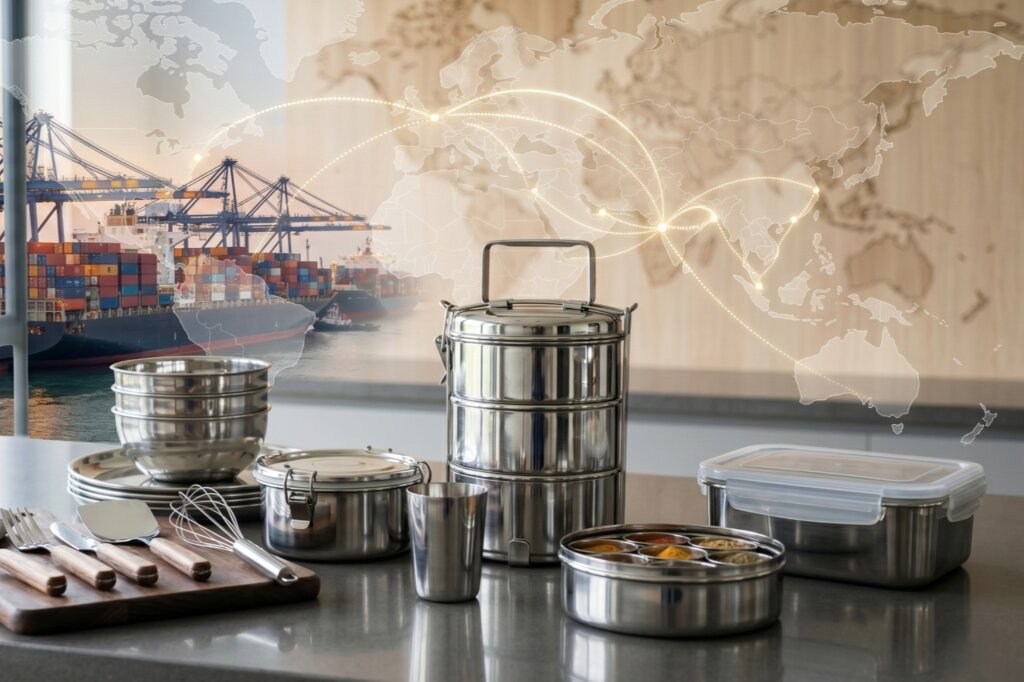
The global demand for stainless steel kitchenware has been steadily increasing over the past decade, driven by changing consumer preferences, growing awareness of hygiene, and a shift towards durable and sustainable products. From households to commercial kitchens, stainless steel utensils are becoming the preferred choice due to their longevity and ease of maintenance. Markets across Africa, Europe, Southeast Asia, and North America are witnessing strong growth in demand for steel kitchen products. As this demand rises, India has emerged as a key manufacturing and export hub, supplying high-quality stainless steel utensils to buyers worldwide at competitive prices. Global Stainless Steel Kitchenware Market Overview The stainless steel kitchenware market has experienced consistent growth globally, supported by increasing urbanization and rising disposable incomes. Both residential consumers and commercial sectors such as hotels, restaurants, and catering businesses are driving this demand. Stainless steel is increasingly preferred over alternatives like plastic and aluminium due to its durability, safety, and long-term value. Additionally, the expansion of global trade and e-commerce has made it easier for buyers to source kitchenware products in bulk from manufacturing countries like India. This steady growth indicates a strong and sustainable future for the industry. Key Factors Driving Global Demand Several key factors are contributing to the rising global demand for stainless steel kitchenware. These drivers are influencing both individual consumers and bulk buyers across different regions, making steel utensils a preferred choice for long-term use. Durability and Long-Term Value One of the biggest advantages of stainless steel kitchenware is its durability. Unlike plastic or glass products, stainless steel does not break easily and can withstand regular use for years. This makes it highly cost-effective in the long run, especially for bulk buyers such as restaurants, caterers, and institutions. Consumers increasingly prefer products that offer long-term value, and stainless steel meets this requirement effectively. Its resistance to corrosion and wear ensures that it remains functional and visually appealing over time. Hygiene and Food Safety Hygiene has become a major factor influencing purchasing decisions, especially after the COVID-19 pandemic. Stainless steel is non-porous and does not retain bacteria, making it one of the safest materials for food preparation and storage. Stainless steel utensils are easy to clean and maintain, which is essential for both households and commercial kitchens. As awareness around food safety continues to grow globally, more consumers and businesses are shifting towards stainless steel kitchenware as a reliable and hygienic option. Sustainability and Eco-Friendly Choice With increasing global focus on sustainability, stainless steel kitchenware is gaining popularity as an eco-friendly alternative to plastic products. Stainless steel is fully recyclable and reusable, reducing environmental impact over time. Governments and consumers alike are encouraging the use of sustainable materials, which has contributed to the rising demand for steel utensils. This shift towards environmentally responsible consumption is expected to further drive the growth of stainless steel kitchenware markets worldwide. Growing Urbanization and Lifestyle Changes Rapid urbanization and evolving lifestyles are also contributing to increased demand for stainless steel kitchenware. As more people move to urban areas and adopt modern lifestyles, the need for durable, easy-to-maintain kitchen products has grown. Working professionals and nuclear families prefer practical and long-lasting solutions, which stainless steel products provide. Additionally, the growth of organized retail and online marketplaces has made these products more accessible to a wider audience. Regional Demand Trends for Stainless Steel Kitchenware The demand for stainless steel kitchenware varies across regions, but the overall trend shows consistent growth globally. Different regions have unique requirements and preferences, but stainless steel remains a common choice due to its versatility and durability. Demand in Africa Africa is one of the fastest-growing markets for stainless steel kitchenware, driven by affordability and durability. Many buyers, including wholesalers, NGOs, and institutional purchasers, prefer steel utensils due to their long lifespan and practicality. Bulk purchasing is common in this region, especially for community programs and large households. India plays a significant role as a stainless steel utensils supplier to African markets, offering cost-effective and reliable products that meet local demand. Demand in Europe and USA In Europe and the USA, there is a strong preference for high-quality, food-grade stainless steel kitchenware. Consumers in these regions are increasingly focused on sustainability, which has boosted demand for reusable and eco-friendly products. Premium kitchenware and aesthetically designed products are also gaining popularity. Importers in these markets often look for reliable manufacturers who can meet quality standards and provide consistent supply. Demand in Southeast Asia Southeast Asia is witnessing growing demand due to rising incomes and urban expansion. As more households upgrade their kitchens, the demand for durable and affordable kitchenware is increasing. Stainless steel utensils are widely accepted in this region due to their practicality and ease of use. Importers often source products from India due to competitive pricing and product variety. Demand in Middle East The Middle East has traditionally been a strong market for stainless steel kitchenware, especially for bulk purchases related to hospitality, religious events, and community use. However, recent geopolitical uncertainties have created some fluctuations in demand. Despite this, long-term demand remains stable due to the region’s reliance on imported kitchenware products. Exporters are also exploring diversification into other regions to balance market risks. Most In-Demand Stainless Steel Kitchenware Products Different products drive demand in different markets, but certain stainless steel items consistently remain popular due to their versatility and everyday usage. These products are commonly imported in bulk by wholesalers, retailers, and institutional buyers. Stainless Steel Tiffins and Lunch Boxes Stainless steel tiffins and lunch boxes are highly popular, especially among working professionals and students. Their durability and convenience make them ideal for daily use. These products are also widely used in corporate gifting and institutional supply. Stainless Steel Plates, Thalis and Bowls Stainless steel plates, thalis, and bowls are essential kitchen items used in households across the world. Their cultural relevance in countries like India and their practicality in global markets make them a high-demand product category. Stainless Steel Storage Containers Stainless steel storage containers are widely used