
Stainless Steel vs Nonstick vs Aluminum Utensils: Which is Better for Your Kitchen?
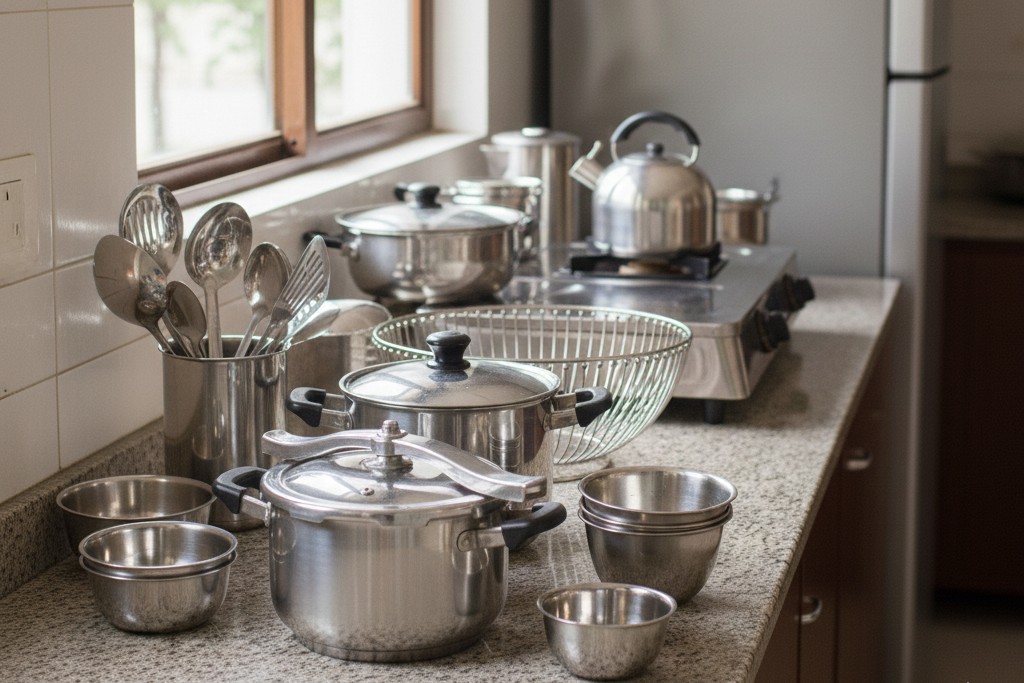
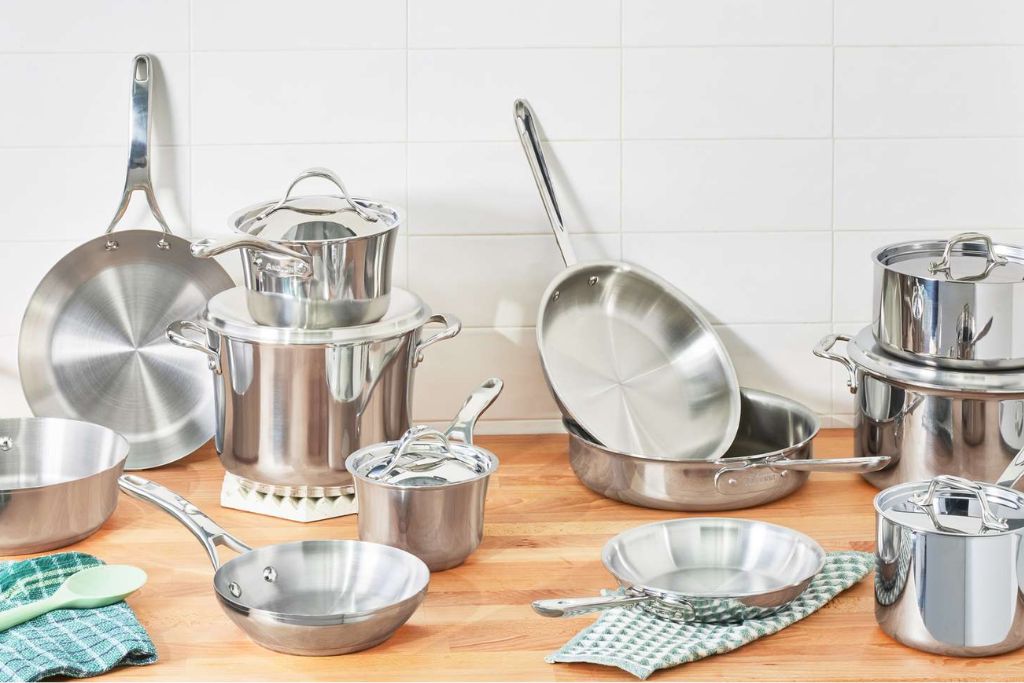
Walk into any Indian kitchen and you’ll find a mix of utensils, some passed down through generations and others bought recently for convenience. From making rotis and sabzis to boiling milk or preparing dal, the type of cookware you use directly affects cooking quality, safety, and durability. However, with so many options available today, choosing between stainless steel, nonstick, and aluminum utensils can be confusing. Each material has its own advantages and limitations. While nonstick cookware is popular for its convenience, aluminum is known for its affordability and heat conductivity. Stainless steel, on the other hand, has remained a trusted choice for decades. In this article, we’ll break down how these three materials compare, helping you decide what works best for your everyday cooking needs in an Indian kitchen. Stainless Steel vs Nonstick vs Aluminum Utensils Durability and Long-Term Use When it comes to durability, stainless steel clearly stands out in Indian kitchen conditions. It can handle high heat, regular washing, and rough usage without losing its structure or shine. Unlike other materials, it does not crack, peel, or warp easily, making it ideal for daily cooking. Nonstick cookware, although convenient, has a limited lifespan. The coating tends to wear off over time, especially with frequent use or improper cleaning. Once damaged, it cannot be restored. Aluminum utensils are relatively durable but can dent or bend with heavy use and may lose their finish over time. For households looking for long-term reliability, stainless steel remains a dependable option across various types of kitchenware. Safety and Health Considerations Safety is a key factor, especially when cooking daily meals for your family. Stainless steel is non-reactive and does not release harmful substances into food, making it one of the safest choices. Its resistance to corrosion also adds to its reliability, and you can understand more about this in this guide on why stainless steel utensils do not rust. Nonstick cookware is generally safe when used properly, but overheating or scratches can cause the coating to break down, potentially releasing unwanted chemicals. Aluminum utensils can react with acidic ingredients like tomatoes or tamarind, which may affect both taste and safety over time. For those who prioritise health and hygiene, stainless steel is often the preferred choice. Stainless steel glasses is also commonly used for drinking purposes, and there are also many benefits of drinking water in stainless steel glass. Cooking Performance and Heat Distribution Each material performs differently when it comes to cooking. Aluminum is known for its quick and even heat distribution, making it suitable for fast cooking tasks. Nonstick cookware works well for low to medium heat cooking and is ideal for dishes like omelettes or dosas that require minimal sticking. Stainless steel may take slightly longer to heat up, but it offers consistent performance and is well-suited for Indian cooking styles that involve high heat, frying, and tempering. Modern stainless steel utensils often come with layered bases to improve heat distribution, making them efficient for a wide range of dishes. Maintenance and Ease of Cleaning In a busy kitchen, ease of cleaning is essential. Stainless steel utensils are easy to maintain and can be cleaned regularly without worrying about damage. Even tough stains can be removed with the right approach, and you can follow these tips on how to clean stainless steel utensils for better results. Nonstick cookware is easy to clean initially because food doesn’t stick, but it requires gentle handling. Using abrasive scrubbers or metal spoons can damage the coating. Aluminum utensils may require more effort to clean, especially if food gets burnt or stuck, and they can develop stains over time. Overall, stainless steel offers a good balance of convenience and durability when it comes to maintenance. Cost vs Value Over Time Cost is often an important consideration for Indian households. Aluminum utensils are usually the most affordable option, making them accessible for budget-conscious buyers. Nonstick cookware falls in the mid-range but may need to be replaced periodically due to wear and tear. Stainless steel utensils may have a higher upfront cost, but they offer better long-term value. Their durability means fewer replacements, making them a cost-effective choice over time. When exploring options across categories like kitchenware and tableware, it becomes clear that investing in quality materials can lead to better savings and performance in the long run. Which One Should You Choose for an Indian Kitchen? The best choice depends on your cooking habits and needs. Nonstick cookware is useful for specific dishes that require less oil and minimal sticking. Aluminum utensils are suitable for quick cooking and budget-friendly setups. However, for everyday Indian cooking that involves high heat, spices, and a variety of dishes, stainless steel stands out as the most versatile option. It combines durability, safety, and consistent performance, making it suitable for both cooking and serving. If you are building a well-rounded kitchen setup, it’s wise to include a mix of materials while relying on stainless steel as your primary choice. Conclusion Choosing between stainless steel, nonstick, and aluminum utensils comes down to understanding your daily cooking needs and long-term priorities. While nonstick and aluminum offer convenience and affordability, they come with certain limitations in durability and maintenance. Stainless steel, on the other hand, provides a balanced combination of strength, safety, and longevity. It fits seamlessly into Indian cooking practices and remains a reliable choice for both cooking and serving. By selecting the right mix of utensils and investing in quality materials, you can create a kitchen that is efficient, practical, and built to last.