Raj Metal Industries

General

stainless steel thali better than plastic melamine banana leaf
General

Why Stainless Steel Thali is Better Than Plastic, Melamine & Banana Leaf for Daily Use

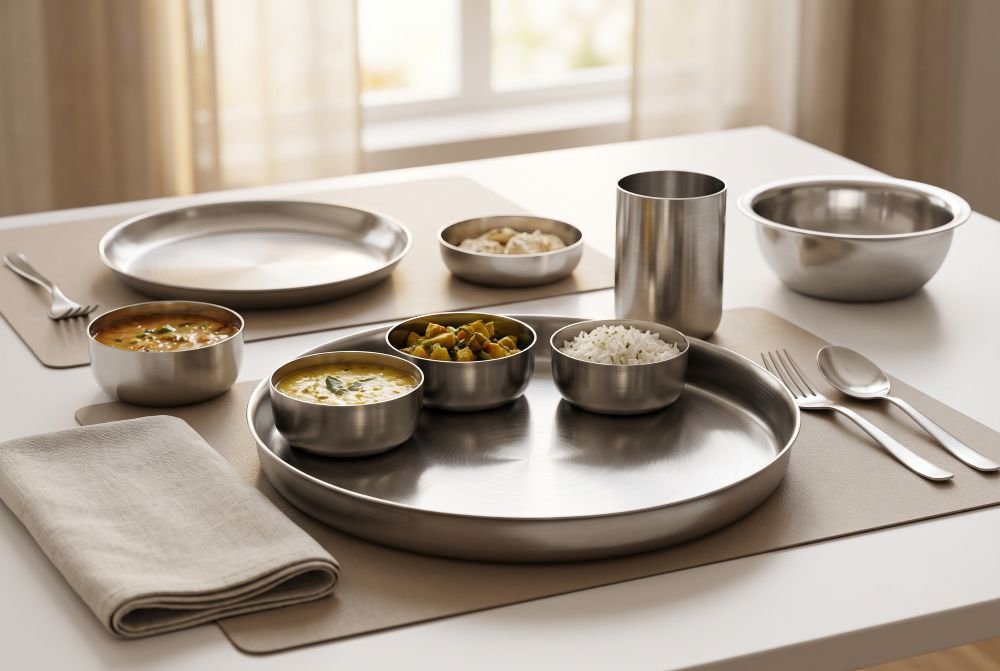
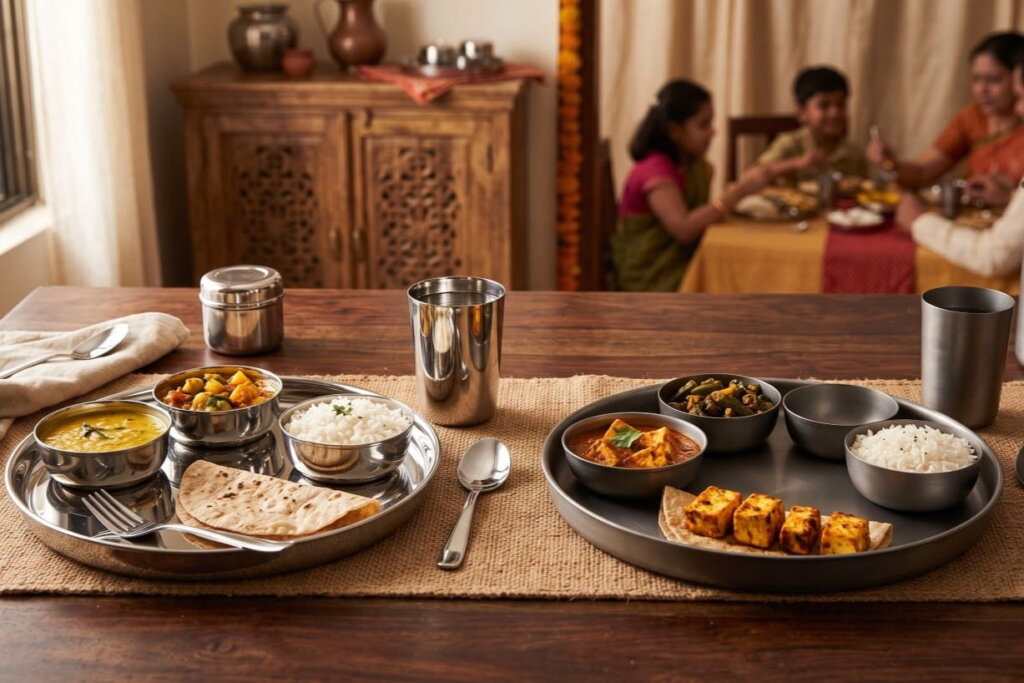
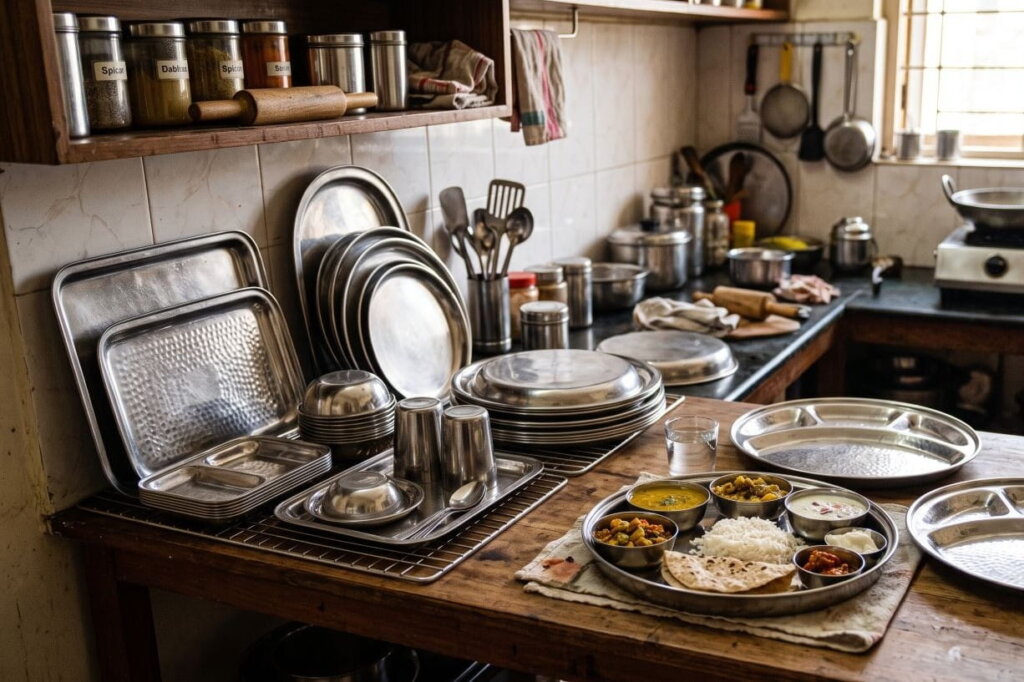
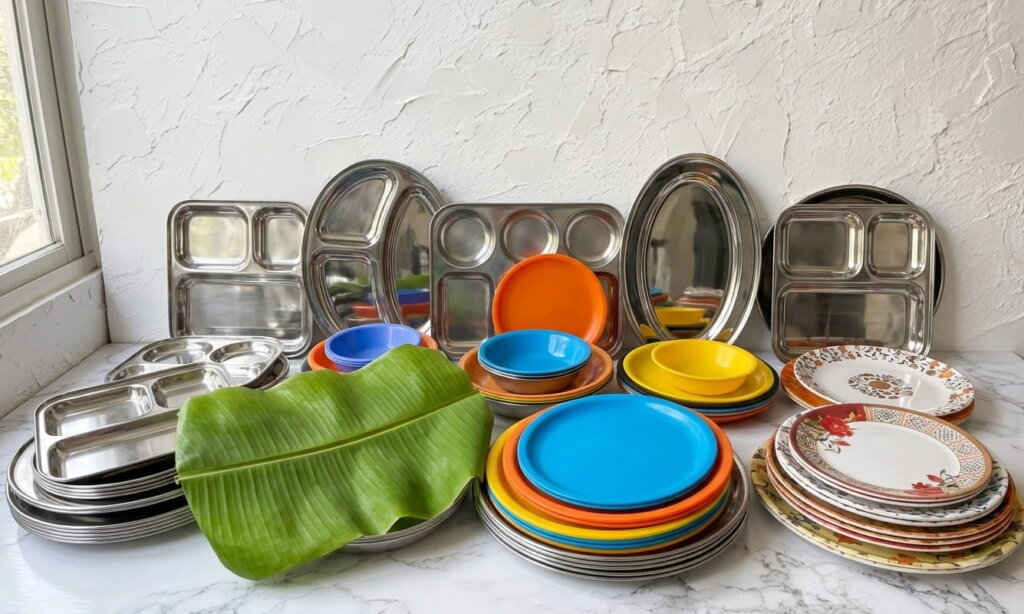
The humble thali is at the centre of every Indian meal — from a simple dal-roti at home to a full rajbhog thali at a wedding feast. But the plate you eat from matters as much as the food on it. Today, Indian households, canteens, hotels, and restaurants have more choices than ever: stainless steel thalis, plastic trays, melamine plates, and traditional banana leaf — each with its own set of advocates. So which material truly wins when it comes to hygiene, durability, safety, and long-term value? In this guide, we break down each option honestly and explain why stainless steel thali continues to be the gold standard for daily use across India — in homes, mess halls, hospitals, and high-volume commercial kitchens alike. The 4 Most Common Thali Materials in India — A Quick Overview Before we compare, here is a brief snapshot of what each material offers: Stainless Steel Thali — Made from food-grade, BIS-certified steel. Non-reactive, rust-resistant, extremely durable, and fully recyclable. Used across Indian households, institutional canteens, and hospitality businesses for decades. Plastic Tray/Plate — Lightweight and inexpensive. Widely used in fast food, takeaway, and low-cost canteen settings. However, raises serious health and environmental concerns with prolonged use. Melamine Plate — A resin-based material that mimics the look of ceramic. Attractive and chip-resistant but carries chemical safety concerns, especially when used with hot or acidic food. Banana Leaf — The traditional South Indian serving choice. Completely natural, biodegradable, and adds a cultural flavour to festive meals. Practical only for single-use occasions. Now, let us go deeper. Stainless Steel Thali vs Plastic Tray — Why Steel Wins Every Time Plastic plates and trays are everywhere in India — in dhabas, school canteens, takeaway counters, and households looking for a budget option. But the hidden costs of plastic are far higher than the price tag suggests. Chemical Safety Plastic plates — especially those made from low-grade polymers — can leach BPA (Bisphenol A) and other harmful chemicals into food, particularly when the food is hot, oily, or acidic. Common Indian dishes like dal, sambar, tamarind-based curries, and hot sabzis are precisely the kinds of foods that accelerate this leaching. Stainless steel, by contrast, is completely inert. It does not react with food regardless of temperature, acidity, or cooking time — making it the only truly food-safe option for daily Indian meals. Durability and Lifespan A decent plastic tray cracks, warps, and discolours within months of regular use and dishwasher cleaning. Over a 10-year period, you would replace dozens of plastic plates at a continuing cost. A stainless steel thali — like those manufactured by Raj Metal Industries — maintains its structural integrity and mirror finish through decades of daily use, stacking, and repeated washing. The total cost of ownership is dramatically lower. Hygiene Plastic develops micro-cracks over time that trap bacteria, food particles, and persistent odours. No amount of scrubbing fully eliminates contamination from a scratched plastic surface. Stainless steel has a non-porous, smooth surface that does not harbour bacteria, mould, or food odours. It can be sanitised at high temperatures — which is precisely why hospitals, army messes, and industrial canteens across India have standardised on stainless steel thalis for decades. Environmental Impact Every plastic plate is a future waste problem. Single-use plastic trays go straight to landfill. Even “reusable” plastic plates are recycled poorly and contribute to microplastic pollution in soil and water. Stainless steel is 100% recyclable at end of life — with zero environmental burden. One stainless steel thali replaces hundreds of plastic plates over its working life. Verdict: Stainless steel beats plastic on safety, hygiene, durability, and environmental impact — without exception. Stainless Steel Thali vs Melamine Plate — The Looks Aren’t Worth the Risk Melamine plates have gained popularity in Indian restaurants and households for their vibrant colours and ceramic-like appearance. But there is a serious concern that most buyers are unaware of. The Chemical Leaching Problem Melamine is a resin made from melamine formaldehyde — a chemical compound that is known to leach into food under certain conditions. Studies have shown that melamine migration increases significantly when: Prolonged exposure to melamine has been linked to kidney damage and urinary tract issues. This is not a minor concern — it is the reason major health authorities globally advise against using melamine crockery with hot food. Stainless steel has absolutely no such risk. It is chemically neutral and completely safe for any food at any temperature. Durability Under Real Use Conditions Melamine chips and develops surface cracks over time — particularly in high-volume institutional use where plates are frequently stacked, dropped, and machine-washed. Chipped melamine is not just aesthetically unpleasant; the damaged surface is unsanitary. Stainless steel thalis are virtually unbreakable under normal use conditions. They do not chip, crack, or develop surface damage from routine washing and stacking. Dishwasher and High-Heat Cleaning Melamine cannot safely handle high-heat machine washing — heat accelerates chemical leaching and surface degradation. Many manufacturers specifically advise against dishwasher use for melamine products. Stainless steel thalis are fully dishwasher-safe, retaining their finish and food-safe surface through thousands of wash cycles. Verdict: Melamine plates pose real chemical safety concerns for everyday Indian meals. Stainless steel is the safer, more durable, and more hygienic choice. Stainless Steel Thali vs Banana Leaf — Tradition vs Practicality Banana leaf holds a special place in Indian food culture — especially in South India, Kerala sadya, and traditional festival meals. The natural aroma it imparts to food, its cultural significance, and its 100% biodegradable nature make it a beloved choice for special occasions. But for daily use? The practical limitations are significant. Availability and Cost at Scale Banana leaf is a regional, seasonal product. It is readily available in southern and coastal India but scarce, expensive, and often unavailable in northern, eastern, and central India. For daily use across an entire household, school canteen, or restaurant, consistent supply at a reasonable price is simply not viable in most parts of the country. Single-Use

Stainless Steel Gift Items in India
General

Best Stainless Steel Gift Items in India

Stainless steel gift items have become one of the most preferred gifting options across India due to their durability, practicality, and long-term value. Whether for weddings, corporate events, housewarming ceremonies, or even traditional rituals, steel gifts are widely accepted and appreciated. Unlike decorative gifts that may lose relevance over time, stainless steel items are used daily, making them both thoughtful and functional. If you are exploring return gifting options specifically, you can also check our detailed guide on stainless steel return gifts in India for occasion-based ideas and product suggestions. Why Stainless Steel Gift Items are a Smart Choice Stainless steel gift items stand out because they combine utility with longevity. In Indian households, steel utensils and containers are essential, which makes them highly relevant gifts. Unlike fragile or decorative items, steel products are durable, rust-resistant, and easy to maintain, ensuring long-term usage. Additionally, these gifts are suitable for all types of occasions, from personal celebrations to bulk corporate gifting. Their eco-friendly nature also makes them a sustainable choice compared to plastic alternatives. This combination of practicality, affordability, and versatility is why stainless steel gifts continue to remain popular across different segments. Popular Stainless Steel Gift Items in India There is a wide range of stainless steel products that can be gifted depending on the occasion and budget. From compact and affordable items to premium gifting sets, these products cater to both individual and bulk requirements. Choosing the right product depends on factors like usability, presentation, and cultural relevance. Below are some of the most popular stainless steel gift items that are commonly chosen for weddings, ceremonies, and corporate gifting across India. Stainless Steel Dabba and Canister Stainless steel dabbas and canisters are among the most practical and widely used gifting items. These containers are ideal for storing food, groceries, or snacks, making them highly useful in everyday kitchen routines. Their compact design and durability make them suitable for both small and large gifting requirements. They are especially popular for bulk gifting during ceremonies and events due to their affordability and utility. You can explore high-quality options from a stainless steel dabba manufacturer. Stainless Steel Plates and Thalis Stainless steel plates and thalis hold cultural significance in Indian households and are widely used for daily meals and festive occasions. Gifting these items is considered practical as well as traditional, making them suitable for weddings, pooja ceremonies, and family functions. They are available in various sizes and designs, allowing flexibility based on budget and gifting scale. Their durability and ease of maintenance make them a long-lasting gifting option that recipients can use regularly. Stainless Steel Tiffin Boxes Tiffin boxes are highly versatile gift items suitable for both children and working professionals. These are commonly used for carrying meals, making them a practical addition to everyday life. Stainless steel tiffins are durable, leak-resistant, and easy to clean. They are also a popular choice for corporate gifting and school-related gifting needs. Explore options from a stainless steel tiffin manufacturer in India. Stainless Steel Glasses Stainless steel glasses are simple yet highly functional gift items that are widely used in Indian households. They are ideal for serving water, beverages, or even as part of gifting sets during ceremonies and events. Due to their compact size and affordability, they are often chosen for bulk gifting. Their durability and resistance to breakage make them a practical option for large-scale distribution. Stainless Steel Cups and Mugs Stainless steel cups and mugs are perfect for tea, coffee, and everyday beverage use. They are increasingly used in corporate gifting as they can be customized with branding, logos, or messages. These items strike a balance between utility and presentation, making them suitable for both personal and professional gifting. Stainless Steel Kitchen Set Kitchen sets typically include multiple items such as bowls, plates, spoons, and containers, making them a complete gifting solution. These sets are especially popular for weddings and housewarming events as they help recipients set up essential kitchen utilities. They offer better value compared to individual items and are often preferred for premium gifting. Their bundled nature also makes them attractive for bulk buyers looking for ready-to-gift solutions. Stainless Steel Spoon Set Spoon sets are compact, budget-friendly, and easy to distribute in large quantities. They are commonly used for return gifting in ceremonies where practical and affordable options are preferred. Despite being simple items, they are highly useful in daily life and therefore appreciated by recipients. Their small size also makes packaging and transportation convenient for large-scale gifting requirements. Stainless Steel Cookware Cookware items such as pots, pans, and cooking vessels are considered premium gifting options. These are ideal for weddings, close family gifting, and special occasions where higher-value gifts are expected. They are long-lasting and highly functional, making them a valuable addition to any kitchen. Stainless steel cookware is also known for its durability and compatibility with various cooking methods. Stainless Steel Dining Set Dining sets include multiple items such as plates, bowls, glasses, and spoons, making them a comprehensive gifting option. These sets are especially popular for weddings and large family events. They are often perceived as premium gifts due to the number of items included. Their practicality ensures they are used regularly, making them a meaningful and valuable gift choice. Stainless Steel Gift Boxes Stainless steel gift boxes help enhance the presentation of gifting items. These boxes can include a combination of utensils or kitchen items arranged in an organized manner. They are ideal for festive gifting and corporate events where presentation plays an important role. These boxes also make it easier to distribute multiple items as a single packaged gift. Additional Stainless Steel Gift Ideas Apart from the commonly used items, there are several other stainless steel products that can be considered for gifting based on the occasion and budget. Some additional ideas include: These items offer flexibility for both individual gifting and wholesale purchases, allowing buyers to choose products based on specific requirements. Stainless Steel Gift Items for Different Occasions Stainless steel gifts

Stainless Steel vs Nonstick vs Aluminum Utensils
General

Stainless Steel vs Nonstick vs Aluminum Utensils: Which is Better for Your Kitchen?

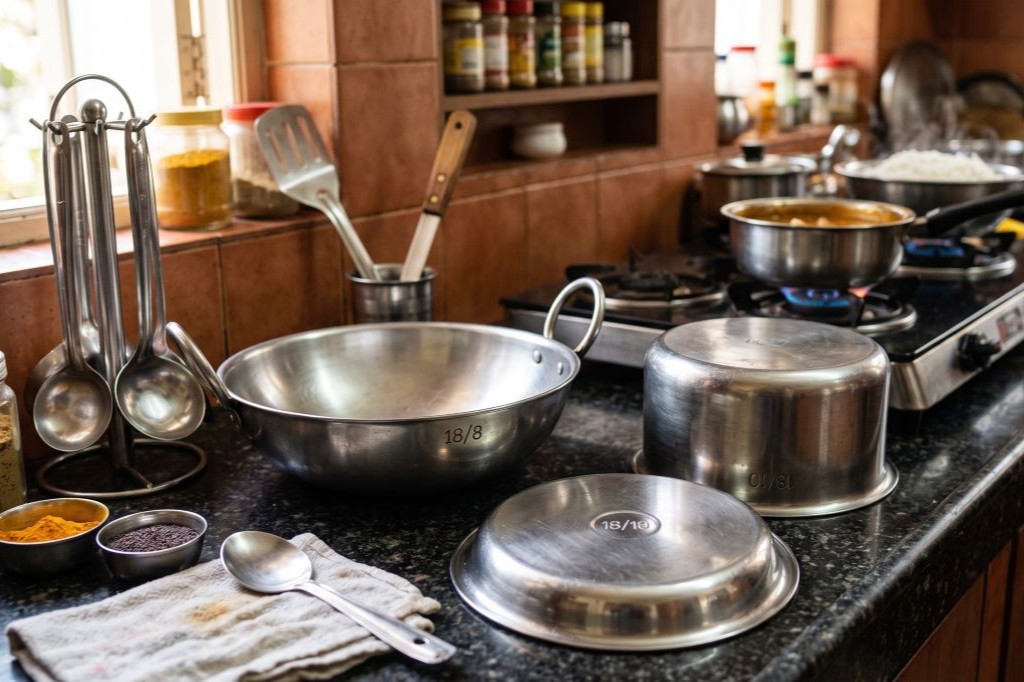
Walk into any Indian kitchen and you’ll find a mix of utensils, some passed down through generations and others bought recently for convenience. From making rotis and sabzis to boiling milk or preparing dal, the type of cookware you use directly affects cooking quality, safety, and durability. However, with so many options available today, choosing between stainless steel, nonstick, and aluminum utensils can be confusing. Each material has its own advantages and limitations. While nonstick cookware is popular for its convenience, aluminum is known for its affordability and heat conductivity. Stainless steel, on the other hand, has remained a trusted choice for decades. In this article, we’ll break down how these three materials compare, helping you decide what works best for your everyday cooking needs in an Indian kitchen. Stainless Steel vs Nonstick vs Aluminum Utensils Durability and Long-Term Use When it comes to durability, stainless steel clearly stands out in Indian kitchen conditions. It can handle high heat, regular washing, and rough usage without losing its structure or shine. Unlike other materials, it does not crack, peel, or warp easily, making it ideal for daily cooking. Nonstick cookware, although convenient, has a limited lifespan. The coating tends to wear off over time, especially with frequent use or improper cleaning. Once damaged, it cannot be restored. Aluminum utensils are relatively durable but can dent or bend with heavy use and may lose their finish over time. For households looking for long-term reliability, stainless steel remains a dependable option across various types of kitchenware. Safety and Health Considerations Safety is a key factor, especially when cooking daily meals for your family. Stainless steel is non-reactive and does not release harmful substances into food, making it one of the safest choices. Its resistance to corrosion also adds to its reliability, and you can understand more about this in this guide on why stainless steel utensils do not rust. Nonstick cookware is generally safe when used properly, but overheating or scratches can cause the coating to break down, potentially releasing unwanted chemicals. Aluminum utensils can react with acidic ingredients like tomatoes or tamarind, which may affect both taste and safety over time. For those who prioritise health and hygiene, stainless steel is often the preferred choice. Stainless steel glasses is also commonly used for drinking purposes, and there are also many benefits of drinking water in stainless steel glass. Cooking Performance and Heat Distribution Each material performs differently when it comes to cooking. Aluminum is known for its quick and even heat distribution, making it suitable for fast cooking tasks. Nonstick cookware works well for low to medium heat cooking and is ideal for dishes like omelettes or dosas that require minimal sticking. Stainless steel may take slightly longer to heat up, but it offers consistent performance and is well-suited for Indian cooking styles that involve high heat, frying, and tempering. Modern stainless steel utensils often come with layered bases to improve heat distribution, making them efficient for a wide range of dishes. Maintenance and Ease of Cleaning In a busy kitchen, ease of cleaning is essential. Stainless steel utensils are easy to maintain and can be cleaned regularly without worrying about damage. Even tough stains can be removed with the right approach, and you can follow these tips on how to clean stainless steel utensils for better results. Nonstick cookware is easy to clean initially because food doesn’t stick, but it requires gentle handling. Using abrasive scrubbers or metal spoons can damage the coating. Aluminum utensils may require more effort to clean, especially if food gets burnt or stuck, and they can develop stains over time. Overall, stainless steel offers a good balance of convenience and durability when it comes to maintenance. Cost vs Value Over Time Cost is often an important consideration for Indian households. Aluminum utensils are usually the most affordable option, making them accessible for budget-conscious buyers. Nonstick cookware falls in the mid-range but may need to be replaced periodically due to wear and tear. Stainless steel utensils may have a higher upfront cost, but they offer better long-term value. Their durability means fewer replacements, making them a cost-effective choice over time. When exploring options across categories like kitchenware and tableware, it becomes clear that investing in quality materials can lead to better savings and performance in the long run. Which One Should You Choose for an Indian Kitchen? The best choice depends on your cooking habits and needs. Nonstick cookware is useful for specific dishes that require less oil and minimal sticking. Aluminum utensils are suitable for quick cooking and budget-friendly setups. However, for everyday Indian cooking that involves high heat, spices, and a variety of dishes, stainless steel stands out as the most versatile option. It combines durability, safety, and consistent performance, making it suitable for both cooking and serving. If you are building a well-rounded kitchen setup, it’s wise to include a mix of materials while relying on stainless steel as your primary choice. Conclusion Choosing between stainless steel, nonstick, and aluminum utensils comes down to understanding your daily cooking needs and long-term priorities. While nonstick and aluminum offer convenience and affordability, they come with certain limitations in durability and maintenance. Stainless steel, on the other hand, provides a balanced combination of strength, safety, and longevity. It fits seamlessly into Indian cooking practices and remains a reliable choice for both cooking and serving. By selecting the right mix of utensils and investing in quality materials, you can create a kitchen that is efficient, practical, and built to last.

Best Stainless Steel Tiffin Boxes for Office Use
General

How to Choose the Best Stainless Steel Tiffin Boxes for Daily Office Use

Carrying homemade food to the office is something most people prefer over buying lunch every day. It saves money, keeps you eating what you are used to, and you know exactly what went into the food. But the tiffin box you use matters more than most people realize. A tiffin that leaks in your bag, smells after a few uses, or warps after a few months of daily use creates problems that could have been avoided. Stainless steel tiffin boxes have been the standard choice for office use for decades because they are durable, hygienic, and easy to maintain. Why Stainless Steel is the Right Material for Office Tiffins Plastic tiffin boxes are lightweight, but they come with limitations. They can absorb odours over time, stain with certain foods like turmeric or tomato-based curries, and wear down faster with daily washing. Stainless steel does not have these problems. It does not absorb smell or colour, it handles regular washing without degrading, and a well-made steel tiffin box can last for years without any visible wear. For office use specifically, where the tiffin is being packed, carried, reheated in some cases, and washed every single day, stainless steel is the more practical and reliable choice. What to Look for in an Office Tiffin Box Before getting into specific types, here are the factors that matter most when choosing a tiffin for daily office use: Leak-proof lid fit This is the most important feature for anyone carrying food in a bag. A lid that does not seal properly will leak curry or dal into your bag. Look for stainless steel tiffins with lids that clip tightly or have a rubber gasket for extra security. Number of containers A standard office tiffin usually has two or three containers — one for rice or roti, one for a dry sabzi, and one for dal or curry. Three containers is the most practical for a full meal. Check out our Stainless Steel Bombay Tiffin that is available in 3, 4 and 5 tier options. Steel grade Food-grade stainless steel, either SS 202 or SS 304, is what you should look for. SS 304 is the higher grade and is more resistant to corrosion, which matters for containers that regularly hold acidic foods like tamarind-based curries or curd. For a more detailed comparison, see our guide on 202 vs 304 stainless steel. Size and capacity For a single person’s office lunch, a tiffin with containers in the 300ml to 400ml range per section is usually enough. Bigger containers add unnecessary weight and bulk in your bag. Weight A tiffin you carry every day should not be heavy before the food even goes in. Thinner gauge steel keeps the weight down without compromising on durability for daily use. Types of Stainless Steel Tiffin Boxes Suitable for Office Use There are different tiffin configurations available. The right one depends on what you typically carry for lunch. Two-tier tiffin This is the most compact option. Two stacked containers connected by a locking carrier. Good if your lunch is relatively simple — rice and one sabzi, or two containers of different foods. Easy to carry and takes less space in a bag. Check out our Stainless Steel Clip Tiffin available in 2-tier option with secure side clasps for leak proof and safe transport. Three-tier tiffin The most popular choice for office use. Three containers stacked with a carrier handle. Enough space for a full meal — roti or rice, dry sabzi, and a curry or dal. This is the standard tiffin most people are familiar with. Round vs oval tiffin Round containers are more common and easier to manufacture consistently. Oval containers fit more food per tier and are better if you are carrying rotis or flatbreads that do not bend well into a round container. Insulated tiffin carrier with steel containers Some tiffin systems come with an insulated bag or outer carrier with individual steel containers inside. These keep food warmer for longer and are useful if your office does not have a way to reheat food. How to Check Quality Before You Buy Whether you are buying for yourself or in bulk for a corporate gifting order, these are the things worth checking: Stainless Steel Tiffin Boxes for Corporate Gifting and Bulk Orders Stainless steel tiffin boxes are one of the most practical corporate gift options because they are used every day. Unlike decorative gifts that end up on a shelf, a good tiffin box gets used at least five days a week. For companies ordering in bulk,for employee gifting, client gifts, or Diwali hampers, the key considerations are: Raj Metal Industries supplies stainless steel tiffin boxes for bulk corporate orders and retail. If you are looking for gifting quantities or want to discuss customisation, contact us directly. How to Care for Your Steel Tiffin Box A stainless steel tiffin box does not need special maintenance. A few basic habits keep it in good condition for years: For more detailed cleaning tips, refer to our guide on how to clean stainless steel utensils. Common Mistakes When Choosing a Tiffin Box Conclusion A good stainless steel tiffin box is something you buy once and use for years. The right choice depends on what you carry, how much space you have in your bag, and whether you need it purely for yourself or as part of a bulk or gifting order. At Raj Metal Industries, we manufacture stainless steel tiffin boxes for both retail and bulk requirements. Our tiffin range is made from food-grade stainless steel and built for daily use. If you would like to know more about our products or place a bulk order, get in touch with us.

best kitchenware manufacturers in india
General

Best Kitchenware Manufacturers in India

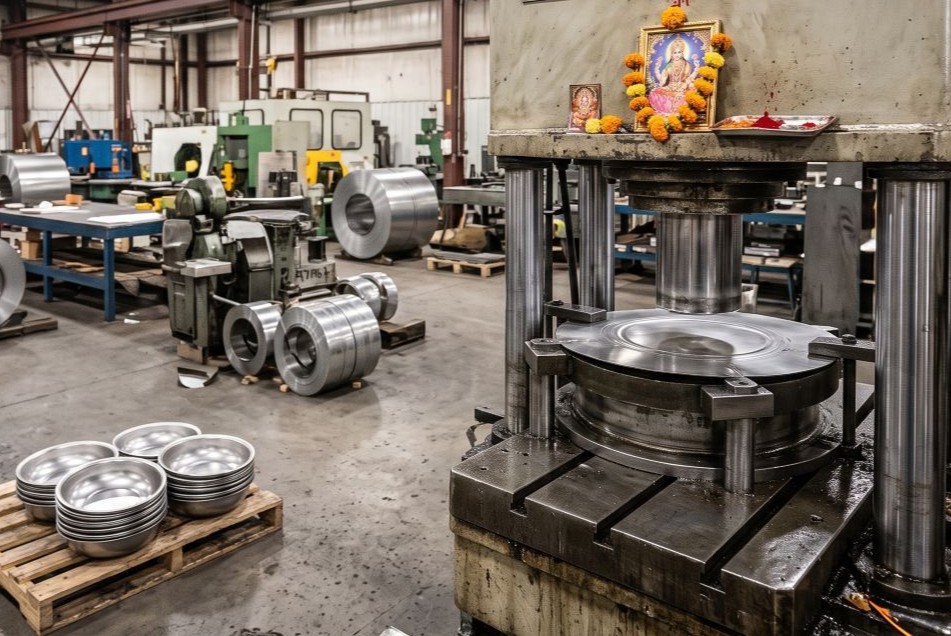
Indian kitchens rely heavily on durable, hygienic, and long-lasting utensils. Whether it is daily cooking, food storage, or large-scale hospitality use, the quality of kitchenware plays a major role in safety and convenience. Over the years, India has emerged as a major hub for kitchenware manufacturing, supplying both domestic and international markets. With growing awareness around food safety, material quality, and sustainability, buyers today look beyond just price. They evaluate manufacturing expertise, raw material standards, consistency, and the ability to meet bulk requirements. This has led to a stronger focus on identifying the best kitchenware manufacturers in India who combine traditional craftsmanship with modern manufacturing practices. This article explores what defines a reliable manufacturer and highlights some of the leading stainless steel kitchenware manufacturers trusted by households, retailers, and global buyers. Why India Is a Global Hub for Kitchenware Manufacturing India’s strength in kitchenware manufacturing comes from a combination of skilled labour, access to quality raw materials, and decades of production experience. Stainless steel, in particular, has become the backbone of Indian kitchenware due to its durability, hygiene, and suitability for Indian cooking styles. Manufacturers in India cater to a wide range of needs, from household utensils to commercial-grade kitchenware used in hotels, restaurants, and institutional kitchens. The ability to scale production while maintaining consistent quality has helped Indian manufacturers gain trust in export markets. Another key advantage is adaptability. Indian manufacturers often offer customization in sizes, finishes, and packaging, which is highly valued by distributors and private-label brands. Combined with competitive pricing and strong logistics support, this makes India a preferred sourcing destination for kitchenware globally. What Defines the Best Kitchenware Manufacturers in India Choosing the best kitchenware manufacturer involves more than evaluating product appearance. Reliable manufacturers focus on long-term performance, safety, and consistency. Quality of Raw Materials Top manufacturers use food-grade stainless steel that meets industry standards. The choice of steel grade directly affects corrosion resistance, hygiene, and lifespan. Inferior materials may look similar initially but fail under regular use. Manufacturing Infrastructure Well-equipped manufacturing facilities allow precise shaping, finishing, and polishing. Consistent tooling and controlled processes ensure uniform product quality across batches, which is critical for bulk buyers. Quality Control and Hygiene Standards Leading manufacturers follow strict quality checks at multiple stages. This includes material inspection, surface finishing checks, and final product evaluation to ensure safety and durability. Capability for Bulk and Export Orders The best manufacturers are structured to handle large-volume orders without compromising timelines. Export readiness, proper packaging, and documentation are also key indicators of a reliable supplier. Top 5 Best Stainless Steel Kitchenware Manufacturers in India India is home to several reputable stainless steel kitchenware manufacturers. Below are five well-recognised names in the industry, known for quality, consistency, and market trust. 1. Raj Metal Industries Raj Metal Industries stands out as one of the most trusted names in stainless steel kitchenware manufacturing in India. With a legacy spanning over 40 years, the company has built a strong reputation for producing durable, hygienic, and export-quality stainless steel products. The brand focuses on precision manufacturing using high-grade stainless steel, ensuring long-lasting performance across its kitchenware range. Raj Metal Industries serves domestic markets as well as international buyers, supporting wholesalers, retailers, and hospitality brands with consistent supply and customization capabilities. What sets the company apart is its deep manufacturing expertise and commitment to quality at every stage. From raw material selection to finishing and packaging, each product reflects attention to detail and reliability. Buyers looking for a dependable kitchenware manufacturer in India often prioritise Raj Metal Industries for its experience, scale, and proven track record. 2. Hawkins Cookers Ltd Hawkins is widely known for its focus on cookware and kitchen utilities designed for Indian cooking habits. The brand has established strong quality benchmarks and is recognised for consistent product performance. Its manufacturing processes emphasize safety, durability, and usability. Hawkins products are commonly used in both households and institutional kitchens, reflecting trust built through standardised production and quality assurance. 3. Prestige Group Prestige has a strong presence across kitchen appliances and cookware categories. The brand focuses on modern design combined with functional performance, catering to evolving consumer needs. Prestige works with large-scale manufacturing systems that allow it to maintain consistency across a wide product range. Its stainless steel kitchenware offerings are designed to meet everyday household requirements. 4. Vinod Cookware Vinod Cookware is known for its stainless steel-focused product lines, especially in cookware and utility kitchenware. The brand emphasizes material quality and product durability. Its manufacturing approach caters to both domestic and export markets. Vinod Cookware products are often chosen for their balance of performance, finish, and affordability. 5. Cello World Cello has diversified across multiple houseware categories, including stainless steel kitchen products. The brand is recognised for mass-market reach and wide distribution. Its kitchenware offerings focus on usability, contemporary designs, and accessibility. Cello serves both urban and semi-urban markets through extensive retail presence. Stainless Steel Kitchenware Manufacturers in India Stainless steel dominates Indian kitchenware manufacturing for good reason. It is non-reactive, rust-resistant, and easy to maintain, making it ideal for Indian cooking conditions. Manufacturers specialising in stainless steel focus on grades like SS 304 to ensure food safety and long-term durability. Stainless steel kitchenware manufacturers in India have refined their processes over decades. This includes precision forming, seamless welding, smooth edge finishing, and mirror polishing. Such attention to detail improves both functionality and appearance. For buyers, stainless steel kitchenware offers long-term value. It withstands heat, moisture, and frequent washing without degrading. This makes it a preferred choice for homes, hotels, and commercial kitchens alike. Difference Between Kitchenware Brands and Manufacturers Many well-known kitchenware brands do not manufacture products themselves. Instead, they source from specialised manufacturers who handle production, quality control, and bulk supply. Manufacturers focus on process efficiency, material sourcing, and scalability. Brands focus on marketing, packaging, and distribution. Understanding this distinction helps buyers identify the actual source of product quality. Working directly with a manufacturer offers advantages such as customization, competitive pricing, and better control over

why do stainless steel utensils not rust
General

Why Do Stainless Steel Utensils Not Rust

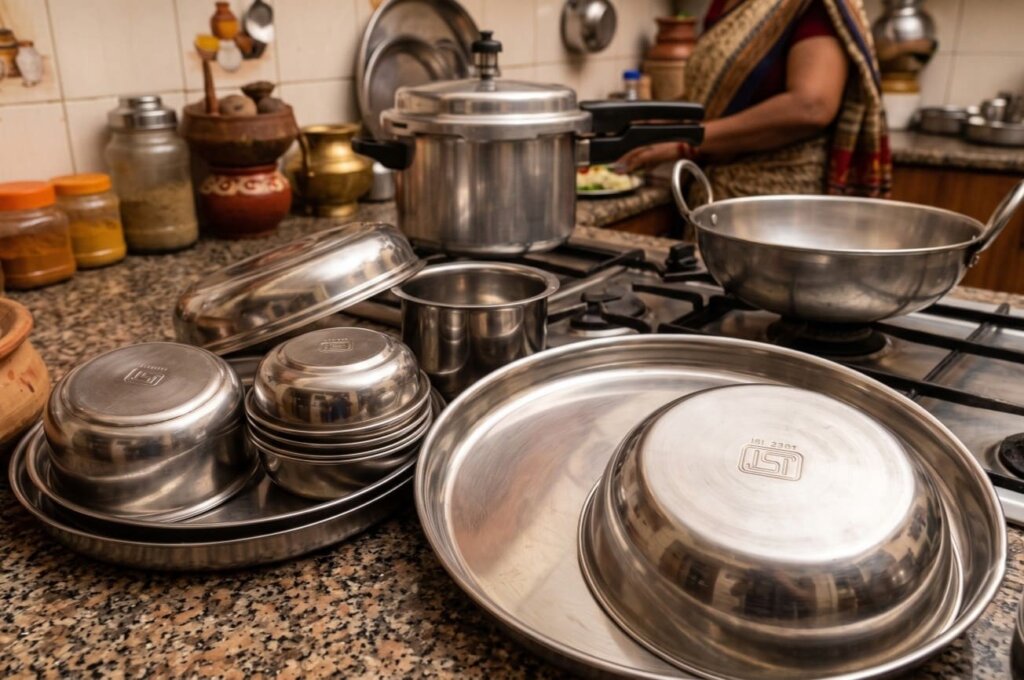
Almost every Indian kitchen relies on stainless steel utensils. From storage containers to cookware and serving items, stainless steel has become a trusted material across generations. One common question people ask is why stainless steel does not rust like iron or other metals. Understanding this helps buyers make better choices and explains why stainless steel remains the preferred material for kitchenware, especially in Indian conditions where humidity and daily use are unavoidable. This article explains the science behind stainless steel, in simple terms, and why it continues to perform reliably for years. What Causes Rust in Metals Rust forms when iron reacts with oxygen and moisture in the environment. This reaction produces iron oxide, which weakens the metal over time. Once rust begins, it spreads and damages the structure. In Indian kitchens, exposure to water, steam, salt, and acidic foods speeds up this process. Ordinary metals without protective layers corrode quickly under these conditions. What Makes Stainless Steel Different The Role of Chromium Stainless steel contains chromium, which reacts with oxygen to form a thin protective layer on the surface. This layer blocks moisture and air from reaching the iron inside. As a result, rust formation is prevented at the source. Self-Healing Protection If the surface of stainless steel gets scratched, the chromium reacts again with oxygen. This recreates the protective layer naturally. This self-healing ability is why stainless steel remains rust-resistant even after years of regular use. Why Stainless Steel Is Ideal for Indian Kitchens Resistance to Humidity Indian weather includes long monsoon seasons and high humidity. Stainless steel performs well in such conditions without corroding. This makes it suitable for everyday cooking and storage. Safe for Food Contact Good-quality stainless steel does not react with food, even when storing acidic or spicy items. This ensures food safety and preserves taste. It also prevents contamination. Easy to Clean The smooth surface of stainless steel prevents food residue from sticking. This reduces bacterial growth and makes cleaning simple. It also helps maintain hygiene over time. Understanding Stainless Steel Grades SS 304 SS 304 stainless steel is widely used for kitchenware. It offers excellent corrosion resistance and durability. This makes it ideal for Indian kitchens where utensils are used frequently. SS 202 and Others Lower grades may be less expensive but offer reduced resistance to corrosion. In humid or coastal areas, such grades may develop surface issues over time. Choosing the right stainless steel grade ensures longer life. Common Myths About Stainless Steel Rusting Can Stainless Steel Ever Rust? Low-quality stainless steel or prolonged exposure to harsh chemicals can cause surface discoloration. However, this does not mean structural rust. High-grade stainless steel remains intact. Does Scratching Cause Rust? Normal scratches do not cause rust in good stainless steel. The chromium layer repairs itself when exposed to air. This keeps the surface protected. Why Stainless Steel Outperforms Other Materials Compared to Plastic Plastic containers may stain, absorb odors, and degrade over time. Stainless steel remains stable and hygienic. It does not release harmful substances. Compared to Aluminum Aluminum can react with acidic foods and lose its finish. Stainless steel remains neutral and durable. This makes it safer for long-term use. Compared to Coated Metals Coatings can chip or peel with use. Stainless steel does not rely on coatings. Its protection is built into the material itself. Care Tips to Maintain Stainless Steel Utensils Washing stainless steel utensils with mild detergent helps maintain their finish. Avoid harsh acids or steel wool that can dull the surface. Drying utensils after washing preserves shine and appearance. With basic care, stainless steel utensils can last for decades without rusting. Learn more about How to Clean Stainless Steel Utensils in this complete guide Conclusion Stainless steel does not rust because of its chromium-based protective layer that blocks moisture and oxygen. This natural protection makes it ideal for Indian kitchens where heat, humidity, and daily use are unavoidable. Choosing high-quality stainless steel ensures durability, hygiene, and long-term value. This is why stainless steel continues to be the most trusted material for kitchen utensils across Indian households.

Wholesale Stainless Steel Utensils for Ramadan in UAE, Kuwait & Africa
General

Wholesale Stainless Steel Utensils for Ramadan in UAE, Kuwait & Africa

Ramadan is the busiest season of the year for food service across the Middle East and Africa. Hotels, caterers, mosques, NGOs, and community kitchens prepare millions of meals every day. To support this demand, wholesalers and importers must stock large volumes of durable kitchenware well before the month begins. Stainless steel utensils are at the center of this supply chain. From Dubai and Sharjah to Kuwait City, Nairobi, and Dar es Salaam, buyers look for products that can survive intense daily use, strict hygiene standards, and long operating hours. This guide explains what wholesale buyers need to know when sourcing stainless steel utensils for Ramadan in UAE, Kuwait, and Africa. Why Ramadan Creates a Surge in Wholesale Demand During Ramadan, food consumption patterns change. Restaurants extend hours, caterers run massive iftar tents, and charities distribute thousands of meals daily. This leads to a sharp rise in demand for: Wholesalers must anticipate this demand and ensure they have enough stock to serve retailers, caterers, and institutions. Key Stainless Steel Products in High Demand Stainless Steel Plates and Thalis Stainless steel plates and thalis are essential for serving iftar and suhoor meals during Ramadan, especially in mosques, community halls, and large catering setups. They are commonly used to serve rice, curries, bread, fruits, dates, and desserts. In high-volume meal services, plates need to be durable and easy to handle, as they are used continuously across multiple serving cycles every day. Stainless steel plates are preferred because they do not absorb oil, spices, or food odors, even when used repeatedly. They can be washed in bulk using hot water and detergents without losing their finish or strength. Unlike disposable or melamine plates, stainless steel thalis offer long-term usability, making them a practical choice for organizations running daily iftar programs throughout Ramadan. Stainless Steel Glasses and Cups Water and beverages play a central role during iftar, making stainless steel glasses and cups one of the most used items in Ramadan food service. These are commonly used to serve water, milk, laban, tea, and fruit juices to large groups of people at the same time. In mosques and charity kitchens, hundreds of glasses may be in circulation during a single iftar service. Stainless steel tableware is valued for its strength and hygiene. It does not crack or break easily, which reduces replacement costs and safety risks in crowded environments. Stainless steel cups and glasses are also easy to clean and sanitize, ensuring safe reuse throughout the month. Their ability to handle both hot and cold beverages makes them suitable for all types of Ramadan drinks. Stainless Steel Spoons, Ladles, and Serving Spoons Spoons and ladles are critical tools for food distribution during Ramadan. Large ladles are used for soups, lentils, and stews, while serving spoons are needed for rice, vegetables, and curries. Smaller spoons are often used for desserts, yogurt, and side dishes. In busy kitchens, these tools are in constant use for several hours each day. Stainless steel serving spoons and ladles are preferred because they are strong and heat resistant. They do not bend or warp when used with hot or heavy food, and they maintain their shape even after repeated washing. Their smooth surface also makes them easy to clean, helping maintain hygiene standards in high-volume food service environments. Food Containers, Canisters, and Dabbas Food containers and canisters play an important role in both food preparation and distribution during Ramadan. They are used to store dry ingredients such as rice, lentils, flour, sugar, and spices, as well as cooked food that needs to be transported or served later. Stainless steel dabbas are commonly used for packing meals for takeaway or delivery. Stainless steel containers are ideal because they are non-reactive and do not affect the taste or quality of food. Airtight designs help protect food from moisture, pests, and contamination. These containers are especially useful for NGOs and caterers who need reliable storage solutions that can be reused daily without compromising food safety. Large Cooking and Serving Vessels Large cooking and serving vessels are the backbone of any Ramadan kitchen. These are used for preparing bulk quantities of rice, curries, soups, and stews. In mosques, hotels, and catering operations, food is often cooked in large batches to serve hundreds or thousands of people within a short time frame. Stainless steel baltis and cooking vessels are chosen for their durability and heat resistance. They distribute heat evenly, reducing the risk of food burning or sticking. Stainless steel does not react with acidic or spicy foods, making it suitable for a wide range of dishes commonly prepared during Ramadan. These vessels are also easy to clean, which is essential in high-volume cooking environments. Stainless Steel Tiffins for Meal Delivery Meal delivery is common during Ramadan, particularly for distributing suhoor or iftar meals to homes, labor accommodations, and remote locations. Stainless steel tiffins are widely used for this purpose because they are secure, stackable, and reusable. They help ensure that food reaches recipients safely and in good condition. Stainless steel tiffins are durable and leak resistant, making them suitable for transporting liquids and solid foods. They can be washed and reused daily without losing quality, which helps reduce reliance on disposable packaging. For NGOs and caterers managing large delivery operations, tiffins offer a reliable and cost-effective solution. Stainless Steel Trays Stainless steel trays are essential for organizing and transporting food during Ramadan service. They are used to carry plates, glasses, bread, dates, and meal portions from the kitchen to the serving area. Volunteers and staff rely on trays to move large quantities of food efficiently during busy iftar periods. Steel trays are preferred because they are sturdy and resistant to bending or cracking under heavy loads. They are easy to clean and maintain, even with frequent use. Their smooth and durable surface makes them suitable for repeated handling, helping food service teams maintain speed and hygiene during large-scale Ramadan operations. Why Importers Prefer Indian Manufacturers India is one of the largest producers of stainless

bulk stainless steel utensils for ramadan
General

Bulk Stainless Steel Utensils for Ramadan: What Mosques & NGOs Should Buy

Ramadan is a time of generosity, community meals, and large scale food distribution. Across the Middle East, Africa and South Asia, mosques, charities and non-profit organizations serve thousands of iftar and suhoor meals every day. From mosque kitchens in Dubai to community feeding centers in Yemen and refugee kitchens in Africa, the demand for reliable food service equipment rises sharply during this holy month. One of the most important investments for these organizations is stainless steel utensils. They must be durable, hygienic, easy to clean, and suitable for repeated daily use. Disposable plastic alternatives may seem cheaper initially, but they create hygiene issues, environmental waste, and long-term costs that are far higher. This guide explains exactly what mosques and NGOs should buy when preparing for Ramadan food operations, and how to choose the right stainless steel utensils for large scale iftar and suhoor programs. Why Stainless Steel Is Ideal for Ramadan Food Programs Large scale food service during Ramadan requires materials that can withstand heat, moisture, acidic foods, and constant washing. Stainless steel is the preferred material for institutional kitchens because it meets all these requirements. Unlike plastic, stainless steel does not leach chemicals when in contact with hot food or liquids. This is particularly important for soups, curries, lentils, and spiced dishes that are common during iftar. Stainless steel is also non porous, which means bacteria and odors do not get trapped in the surface. Another major advantage is longevity. A well made stainless steel utensil can last for many years, even with daily use. This makes it ideal for mosques and NGOs that operate throughout the year, not only during Ramadan. Essential Stainless Steel Utensils for Iftar and Suhoor Kitchens Every community kitchen has different needs, but there are a few core stainless steel items that almost all mosques and NGOs require. Stainless Steel Plates and Thalis Stainless steel plates and thalis are among the most used items during Ramadan iftar and suhoor. They are used for serving rice, curries, bread, fruits, dates, and desserts in mosque dining halls, charity kitchens, and iftar tents. In large gatherings, hundreds or even thousands of plates may be in circulation at the same time. Stainless steel is preferred because it is strong, lightweight, and easy to wash in bulk. Unlike plastic or melamine plates, it does not absorb oil, spices, or odors, which helps maintain hygiene across repeated meal services. Steel plates also withstand high food temperatures, making them suitable for hot dishes commonly served at iftar. Stainless Steel Balti and Large Cooking Vessels Large steel baltis are used for cooking, mixing, and transporting food. They are especially important when preparing rice, lentils, curries, or stews in bulk. These vessels need to be strong, heat resistant, and easy to clean. High quality stainless steel baltis do not warp or corrode even after years of use. They are also safer to handle when hot compared to aluminum or thin metal alternatives. Stainless Steel Food Storage Canisters and Dabbas Food preparation during Ramadan involves storing large quantities of ingredients like rice, flour, lentils, sugar, dates, and spices. Stainless steel canisters and dabbas help keep these items clean, dry, and protected from insects and moisture. Airtight stainless steel canisters are especially useful for storing cooked food that needs to be transported to different locations for distribution. They also help reduce food wastage by keeping items fresh longer. Stainless Steel Spoons, Ladles and Serving Spoons Spoons and ladles are essential for serving and distributing food during Ramadan. Large ladles are used for soups, lentils, and curries, while serving spoons are needed for rice, vegetables, and desserts. Smaller spoons are also used for portioning sweets, yogurt, and side dishes. Stainless steel serving tools are ideal because they do not bend, melt, or break under heat. They can be cleaned and sanitized easily, which is critical when thousands of meals are being served in a short period of time. Their durability also means they can be used year after year, reducing replacement costs for mosques and NGOs. Stainless Steel Tiffin Boxes for Meal Distribution Many NGOs distribute meals in pre packed form. Stainless steel tiffins are ideal for this purpose. They are leak resistant, reusable, and easy to stack for transport. Tiffins are widely used for suhoor meal delivery to families, elderly people, and workers who cannot visit mosque kitchens. Unlike disposable boxes, stainless steel tiffins can be collected, washed, and reused every day. Stainless Steel Glasses, Mugs and Cups Water, milk, tea, and juices are served in large quantities during iftar. Stainless steel glasses and mugs are far more hygienic and economical than disposable cups. They are resistant to breakage, can handle hot and cold beverages, and are easy to sanitize. Using steel drinkware also reduces plastic waste, which is an increasing concern for mosques and NGOs. Stainless Steel Trays Stainless steel trays play a major role in Ramadan food service. They are used to carry plates of food, distribute drinks, transport bread and dates, and organize meal portions before serving. In many mosque kitchens and charity setups, volunteers rely heavily on trays to move large quantities of food quickly and safely. Steel trays are chosen because they are sturdy, easy to grip, and resistant to corrosion. They do not crack or warp when carrying hot food or heavy loads. Their smooth surface also makes them easy to clean between serving rounds, helping maintain hygiene during busy iftar periods. How to Estimate Quantity for Ramadan Operations One of the biggest challenges for NGOs and mosque committees is calculating how many utensils they need. Here are some general guidelines: It is always better to slightly over order than to run short during Ramadan when supply chains are slower. Hygiene and Food Safety Considerations During Ramadan, food is prepared in large quantities and served to many people. Hygiene is critical. Stainless steel is preferred by health authorities because it can be cleaned with hot water and disinfectants without damage. It does not absorb oil, spices, or odors.

benefits of drinking water in stainless steel glass
General

Benefits of Drinking Water in Stainless Steel Glass

In India, stainless steel has long been the preferred material for everyday kitchen and dining use. Among the many utensils used daily, stainless steel glasses continue to play an important role in how water is consumed at home, in offices, and in public spaces. As awareness around hygiene, food safety, and sustainability grows, many people are re-evaluating the materials they use for drinking water. This article explores the health, safety, and practical benefits of drinking water in a stainless steel glass, and why it remains a reliable choice across Indian households and institutions. Is Stainless Steel Safe for Drinking Water? Stainless steel is widely regarded as a safe material for drinking water when manufactured using food-grade stainless steel, such as 202 or 304 grade. Food-grade stainless steel is designed to: Unlike certain metals or coated materials, stainless steel does not react with water. This makes it suitable for daily use, whether the water is consumed at room temperature or slightly warm, which is common in many Indian households. Because of these properties, stainless steel glasses are commonly used in: Health Benefits of Drinking Water in Steel Glass No Chemical Leaching Into Water One of the key health-related advantages of stainless steel is that it does not leach chemicals into drinking water. Materials such as plastic may degrade over time, especially with frequent washing or exposure to heat. Stainless steel remains stable and does not release harmful substances, making it suitable for long-term, repeated daily use. This is particularly relevant for families aiming to reduce unnecessary exposure to chemicals through regular habits like drinking water. Hygienic and Easy to Maintain Stainless steel has a smooth, non-porous surface that does not absorb moisture, odors, or residues. This property helps prevent bacterial buildup and makes thorough cleaning easier. In Indian climatic conditions where heat and humidity are common, maintaining hygiene in everyday utensils is essential. Stainless steel glasses can be washed frequently without affecting their surface quality, making them suitable for continuous use. Maintains the Natural Taste of Water Another practical benefit of stainless steel glasses is that they do not interfere with the taste of water. Unlike some low-quality containers, stainless steel does not retain flavors or odors from previous use. As a result, water remains neutral in taste, encouraging regular hydration throughout the day without discomfort or aftertaste. Benefits of Drinking Water from Stainless Steel Over Other Materials Stainless Steel vs Plastic Plastic containers are lightweight and inexpensive, but they may not always be suitable for long-term daily use. Compared to plastic, stainless steel: With increasing awareness of plastic waste and sustainability in India, stainless steel offers a more durable and eco-conscious alternative. Stainless Steel vs Glass Glassware is chemically inert but may not be practical for all environments. Stainless steel glasses: These factors contribute to the continued preference for stainless steel glasses in Indian households and community spaces. Why Stainless Steel Glasses Are Common in Indian Homes The widespread use of stainless steel glasses in India is rooted in practicality, affordability, and trust built over decades. Steel utensils have traditionally been chosen for their ability to withstand daily use without compromising hygiene. Today, manufacturers such as Raj Metal Industries produce stainless steel glasses that meet modern expectations for food safety, finish, and durability. Drinking Water in Stainless Steel Glass for Daily Use Using a stainless steel glass for daily hydration supports consistent water consumption without concerns around wear and tear. Steel glasses are: Their durability makes them a dependable option for routine meals, work hours, and gatherings. Can Stainless Steel Bottles Be Used for Drinking Water? Stainless steel bottles are also commonly used for drinking water, particularly for travel, outdoor use, or longer storage durations. They offer similar safety and hygiene benefits as steel glasses. For regular home and dining use, however, stainless steel glasses and cups are often preferred due to their ease of access, quicker cleaning, and suitability for frequent refilling. Related drinkware options such as stainless steel cups and mugs are also widely used for water and other beverages. How to Choose the Right Stainless Steel Glass for Drinking Water When selecting a stainless steel glass, it’s important to look beyond appearance and consider functional quality. Key factors include: Choosing products from experienced stainless steel manufacturers ensures consistency, safety, and long-term usability. Conclusion Drinking water in a stainless steel glass remains a practical and hygienic choice for Indian households. Its safety, durability, and ease of maintenance make it suitable for daily use across homes, workplaces, and institutions. With growing awareness around material safety and sustainability, stainless steel continues to stand out as a reliable option for clean and safe drinking water.

tea coffee sugar canisters
General

Tea Coffee Sugar Canisters: Materials, Designs & How to Choose the Right One

Tea, coffee, and sugar are everyday essentials in most kitchens, and the right canisters play an important role in keeping them fresh, organised, and easy to access. Today, tea coffee sugar canisters are available in a wide variety of materials, designs, and finishes, from modern minimalist sets to decorative designer collections. In this guide, we explore the most common materials used for tea and sugar canisters, compare their advantages and limitations, look at modern and designer trends, and share practical tips to help you choose the right canisters for your kitchen or storage needs. Common Materials Used for Tea Coffee Sugar Canisters Tea coffee sugar canisters are commonly made using three materials: stainless steel, ceramic, and plastic. Each material offers different benefits depending on usage, design preference, and long-term durability. Stainless Steel Tea Coffee Sugar Canisters Stainless steel tea coffee sugar canisters are widely used due to their durability, hygiene, and timeless appearance. They are commonly found in modern kitchens, restaurants, and households that prefer long-lasting storage solutions. Stainless steel does not react with food items and helps maintain the original aroma and freshness of tea, coffee, and sugar. Pros: Limitations: Stainless steel canisters are often preferred for their balance of functionality, hygiene, and modern aesthetics. You can explore different styles and finishes of stainless steel canisters commonly used for dry storage in organised kitchens. Ceramic Tea Coffee Sugar Canisters Ceramic tea coffee sugar canisters are popular for their decorative appeal and are often chosen to complement specific kitchen themes or interior styles. These canisters are usually glazed and come in a wide range of colours, patterns, and artistic designs, making them visually appealing on open shelves or countertops. Pros: Limitations: Ceramic canisters are ideal when visual appeal is a priority, but they require careful handling and may not be suitable for high-usage environments. Plastic Tea Coffee Sugar Canisters Plastic tea and sugar canisters are commonly used for their lightweight nature and affordability. They are available in transparent, frosted, or coloured designs and are often chosen for short-term or casual storage needs. Pros: Limitations: Plastic canisters can be convenient, but they are generally better suited for temporary or low-use storage rather than long-term preservation. Modern Tea Coffee Sugar Canisters: Design Trends Modern tea coffee sugar canisters focus on clean lines, neutral colours, and practical functionality. These designs are often minimalistic and blend well with contemporary kitchen interiors. Popular modern features include: Modern canisters prioritise usability while maintaining a sleek and clutter-free look. Designer Tea Coffee Sugar Canisters Designer tea coffee sugar canisters add character and personality to kitchen spaces. These canisters often feature printed patterns, ethnic motifs, artistic illustrations, or textured finishes. Designer styles are commonly used for: Printed and patterned stainless steel canisters have gained popularity as they combine decorative appeal with durability. Choosing the Right Material for Tea Coffee Sugar Storage When selecting tea coffee sugar canisters, consider the following factors: A well-chosen canister not only improves storage efficiency but also enhances the overall kitchen experience. Customization & Design Flexibility in Canisters Many modern tea coffee sugar canisters now come in a variety of sizes, finishes, and design styles. From simple matte finishes to printed and patterned exteriors, customization allows canisters to suit different preferences and kitchen aesthetics. Stainless steel canisters, in particular, offer flexibility in design and finish, making them suitable for both functional and decorative storage needs. This variety has contributed to their popularity across different kitchen styles. Raj Metal Industries offer customization of stainless steel canisters across India. Check our customization page to know more. Conclusion Tea coffee sugar canisters are more than just storage containers, they play a key role in preserving freshness, maintaining organisation, and complementing kitchen design. While ceramic and plastic canisters offer specific advantages, stainless steel canisters are valued for their durability, hygiene, and versatility. By understanding the differences between materials and exploring modern and designer styles, you can choose tea coffee sugar canisters that meet both practical and aesthetic needs.

Scroll to Top