Raj Metal Industries

General

why do stainless steel utensils not rust
General

Why Do Stainless Steel Utensils Not Rust

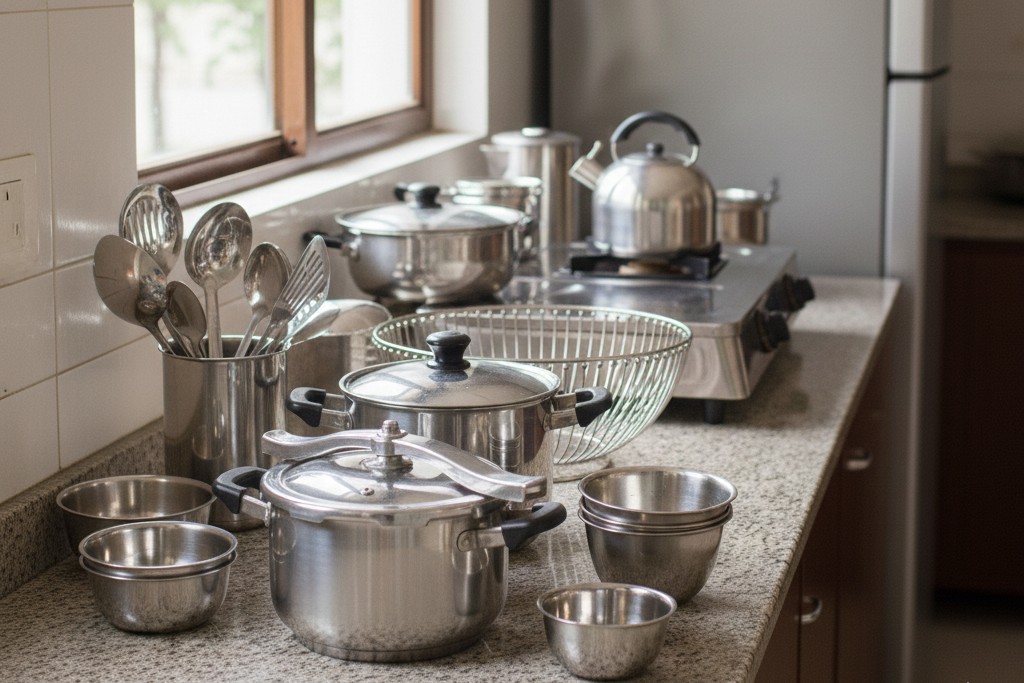
Almost every Indian kitchen relies on stainless steel utensils. From storage containers to cookware and serving items, stainless steel has become a trusted material across generations. One common question people ask is why stainless steel does not rust like iron or other metals. Understanding this helps buyers make better choices and explains why stainless steel remains the preferred material for kitchenware, especially in Indian conditions where humidity and daily use are unavoidable. This article explains the science behind stainless steel, in simple terms, and why it continues to perform reliably for years. What Causes Rust in Metals Rust forms when iron reacts with oxygen and moisture in the environment. This reaction produces iron oxide, which weakens the metal over time. Once rust begins, it spreads and damages the structure. In Indian kitchens, exposure to water, steam, salt, and acidic foods speeds up this process. Ordinary metals without protective layers corrode quickly under these conditions. What Makes Stainless Steel Different The Role of Chromium Stainless steel contains chromium, which reacts with oxygen to form a thin protective layer on the surface. This layer blocks moisture and air from reaching the iron inside. As a result, rust formation is prevented at the source. Self-Healing Protection If the surface of stainless steel gets scratched, the chromium reacts again with oxygen. This recreates the protective layer naturally. This self-healing ability is why stainless steel remains rust-resistant even after years of regular use. Why Stainless Steel Is Ideal for Indian Kitchens Resistance to Humidity Indian weather includes long monsoon seasons and high humidity. Stainless steel performs well in such conditions without corroding. This makes it suitable for everyday cooking and storage. Safe for Food Contact Good-quality stainless steel does not react with food, even when storing acidic or spicy items. This ensures food safety and preserves taste. It also prevents contamination. Easy to Clean The smooth surface of stainless steel prevents food residue from sticking. This reduces bacterial growth and makes cleaning simple. It also helps maintain hygiene over time. Understanding Stainless Steel Grades SS 304 SS 304 stainless steel is widely used for kitchenware. It offers excellent corrosion resistance and durability. This makes it ideal for Indian kitchens where utensils are used frequently. SS 202 and Others Lower grades may be less expensive but offer reduced resistance to corrosion. In humid or coastal areas, such grades may develop surface issues over time. Choosing the right stainless steel grade ensures longer life. Common Myths About Stainless Steel Rusting Can Stainless Steel Ever Rust? Low-quality stainless steel or prolonged exposure to harsh chemicals can cause surface discoloration. However, this does not mean structural rust. High-grade stainless steel remains intact. Does Scratching Cause Rust? Normal scratches do not cause rust in good stainless steel. The chromium layer repairs itself when exposed to air. This keeps the surface protected. Why Stainless Steel Outperforms Other Materials Compared to Plastic Plastic containers may stain, absorb odors, and degrade over time. Stainless steel remains stable and hygienic. It does not release harmful substances. Compared to Aluminum Aluminum can react with acidic foods and lose its finish. Stainless steel remains neutral and durable. This makes it safer for long-term use. Compared to Coated Metals Coatings can chip or peel with use. Stainless steel does not rely on coatings. Its protection is built into the material itself. Care Tips to Maintain Stainless Steel Utensils Washing stainless steel utensils with mild detergent helps maintain their finish. Avoid harsh acids or steel wool that can dull the surface. Drying utensils after washing preserves shine and appearance. With basic care, stainless steel utensils can last for decades without rusting. Learn more about How to Clean Stainless Steel Utensils in this complete guide Conclusion Stainless steel does not rust because of its chromium-based protective layer that blocks moisture and oxygen. This natural protection makes it ideal for Indian kitchens where heat, humidity, and daily use are unavoidable. Choosing high-quality stainless steel ensures durability, hygiene, and long-term value. This is why stainless steel continues to be the most trusted material for kitchen utensils across Indian households.

bulk stainless steel utensils for ramadan
General

Bulk Stainless Steel Utensils for Ramadan: What Mosques & NGOs Should Buy

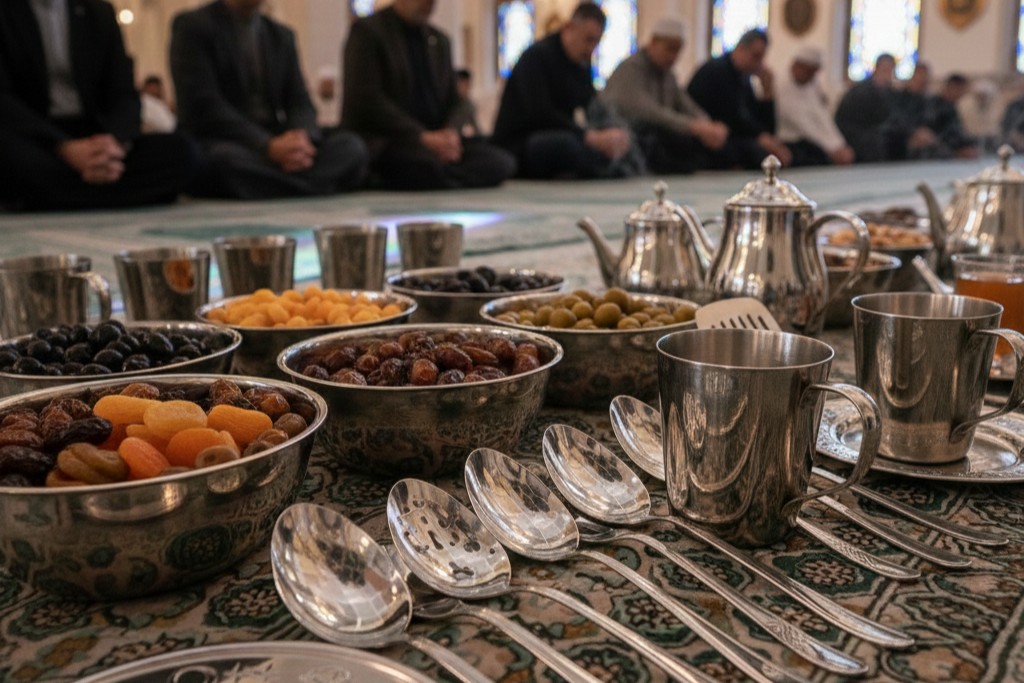
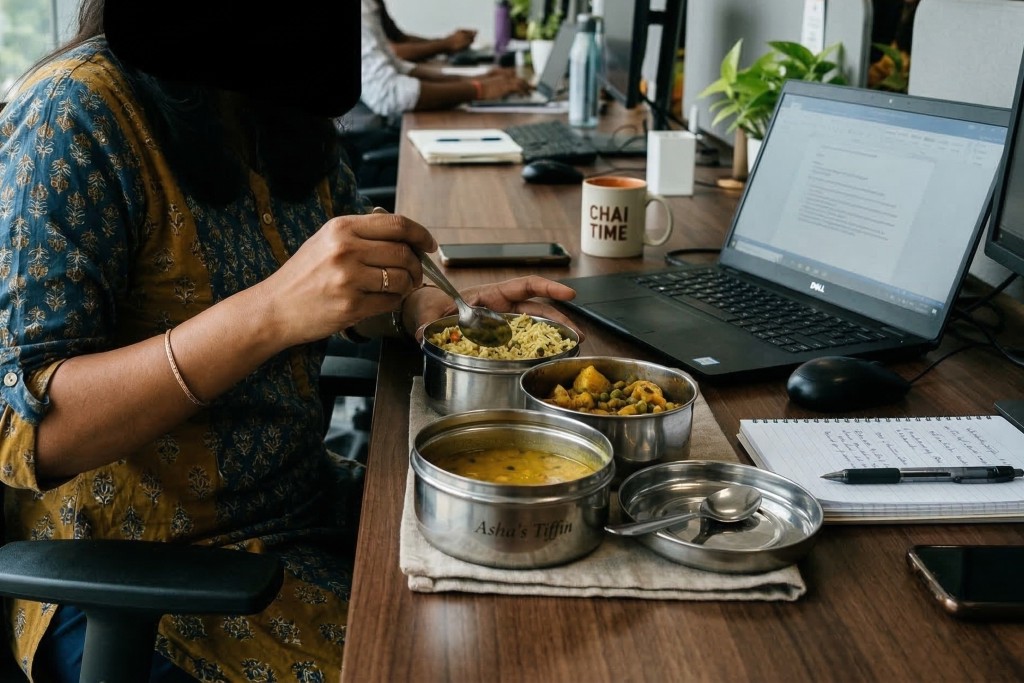
Ramadan is a time of generosity, community meals, and large scale food distribution. Across the Middle East, Africa and South Asia, mosques, charities and non-profit organizations serve thousands of iftar and suhoor meals every day. From mosque kitchens in Dubai to community feeding centers in Yemen and refugee kitchens in Africa, the demand for reliable food service equipment rises sharply during this holy month. One of the most important investments for these organizations is stainless steel utensils. They must be durable, hygienic, easy to clean, and suitable for repeated daily use. Disposable plastic alternatives may seem cheaper initially, but they create hygiene issues, environmental waste, and long-term costs that are far higher. This guide explains exactly what mosques and NGOs should buy when preparing for Ramadan food operations, and how to choose the right stainless steel utensils for large scale iftar and suhoor programs. Why Stainless Steel Is Ideal for Ramadan Food Programs Large scale food service during Ramadan requires materials that can withstand heat, moisture, acidic foods, and constant washing. Stainless steel is the preferred material for institutional kitchens because it meets all these requirements. Unlike plastic, stainless steel does not leach chemicals when in contact with hot food or liquids. This is particularly important for soups, curries, lentils, and spiced dishes that are common during iftar. Stainless steel is also non porous, which means bacteria and odors do not get trapped in the surface. Another major advantage is longevity. A well made stainless steel utensil can last for many years, even with daily use. This makes it ideal for mosques and NGOs that operate throughout the year, not only during Ramadan. Essential Stainless Steel Utensils for Iftar and Suhoor Kitchens Every community kitchen has different needs, but there are a few core stainless steel items that almost all mosques and NGOs require. Stainless Steel Plates and Thalis Stainless steel plates and thalis are among the most used items during Ramadan iftar and suhoor. They are used for serving rice, curries, bread, fruits, dates, and desserts in mosque dining halls, charity kitchens, and iftar tents. In large gatherings, hundreds or even thousands of plates may be in circulation at the same time. Stainless steel is preferred because it is strong, lightweight, and easy to wash in bulk. Unlike plastic or melamine plates, it does not absorb oil, spices, or odors, which helps maintain hygiene across repeated meal services. Steel plates also withstand high food temperatures, making them suitable for hot dishes commonly served at iftar. Stainless Steel Balti and Large Cooking Vessels Large steel baltis are used for cooking, mixing, and transporting food. They are especially important when preparing rice, lentils, curries, or stews in bulk. These vessels need to be strong, heat resistant, and easy to clean. High quality stainless steel baltis do not warp or corrode even after years of use. They are also safer to handle when hot compared to aluminum or thin metal alternatives. Stainless Steel Food Storage Canisters and Dabbas Food preparation during Ramadan involves storing large quantities of ingredients like rice, flour, lentils, sugar, dates, and spices. Stainless steel canisters and dabbas help keep these items clean, dry, and protected from insects and moisture. Airtight stainless steel canisters are especially useful for storing cooked food that needs to be transported to different locations for distribution. They also help reduce food wastage by keeping items fresh longer. Stainless Steel Spoons, Ladles and Serving Spoons Spoons and ladles are essential for serving and distributing food during Ramadan. Large ladles are used for soups, lentils, and curries, while serving spoons are needed for rice, vegetables, and desserts. Smaller spoons are also used for portioning sweets, yogurt, and side dishes. Stainless steel serving tools are ideal because they do not bend, melt, or break under heat. They can be cleaned and sanitized easily, which is critical when thousands of meals are being served in a short period of time. Their durability also means they can be used year after year, reducing replacement costs for mosques and NGOs. Stainless Steel Tiffin Boxes for Meal Distribution Many NGOs distribute meals in pre packed form. Stainless steel tiffins are ideal for this purpose. They are leak resistant, reusable, and easy to stack for transport. Tiffins are widely used for suhoor meal delivery to families, elderly people, and workers who cannot visit mosque kitchens. Unlike disposable boxes, stainless steel tiffins can be collected, washed, and reused every day. Stainless Steel Glasses, Mugs and Cups Water, milk, tea, and juices are served in large quantities during iftar. Stainless steel glasses and mugs are far more hygienic and economical than disposable cups. They are resistant to breakage, can handle hot and cold beverages, and are easy to sanitize. Using steel drinkware also reduces plastic waste, which is an increasing concern for mosques and NGOs. Stainless Steel Trays Stainless steel trays play a major role in Ramadan food service. They are used to carry plates of food, distribute drinks, transport bread and dates, and organize meal portions before serving. In many mosque kitchens and charity setups, volunteers rely heavily on trays to move large quantities of food quickly and safely. Steel trays are chosen because they are sturdy, easy to grip, and resistant to corrosion. They do not crack or warp when carrying hot food or heavy loads. Their smooth surface also makes them easy to clean between serving rounds, helping maintain hygiene during busy iftar periods. How to Estimate Quantity for Ramadan Operations One of the biggest challenges for NGOs and mosque committees is calculating how many utensils they need. Here are some general guidelines: It is always better to slightly over order than to run short during Ramadan when supply chains are slower. Hygiene and Food Safety Considerations During Ramadan, food is prepared in large quantities and served to many people. Hygiene is critical. Stainless steel is preferred by health authorities because it can be cleaned with hot water and disinfectants without damage. It does not absorb oil, spices, or odors.

benefits of drinking water in stainless steel glass
General

Benefits of Drinking Water in Stainless Steel Glass

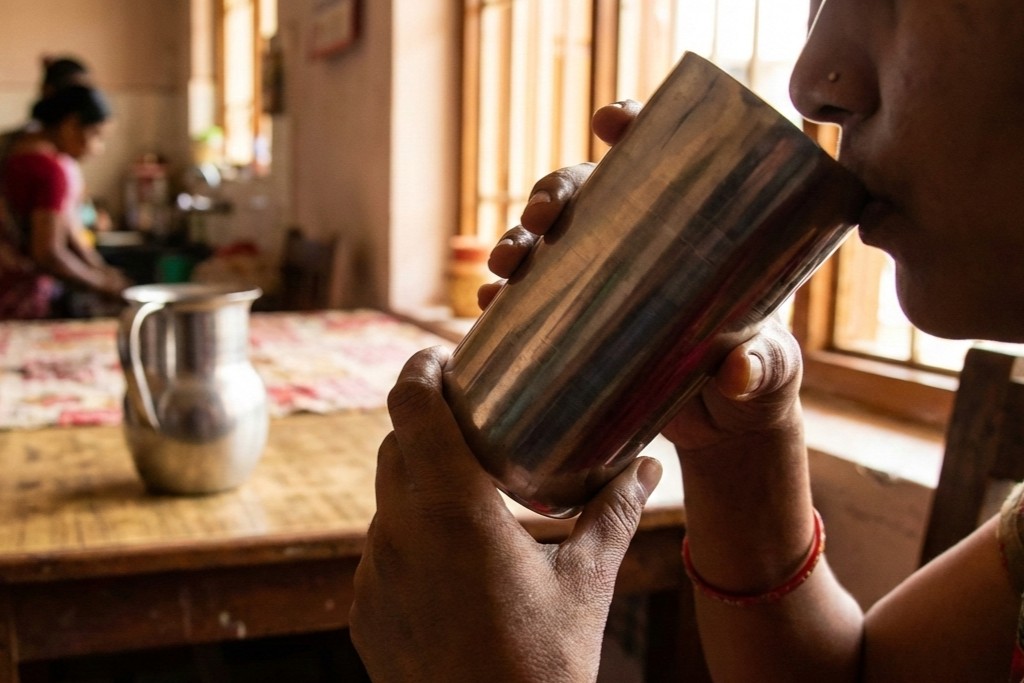
In India, stainless steel has long been the preferred material for everyday kitchen and dining use. Among the many utensils used daily, stainless steel glasses continue to play an important role in how water is consumed at home, in offices, and in public spaces. As awareness around hygiene, food safety, and sustainability grows, many people are re-evaluating the materials they use for drinking water. This article explores the health, safety, and practical benefits of drinking water in a stainless steel glass, and why it remains a reliable choice across Indian households and institutions. Is Stainless Steel Safe for Drinking Water? Stainless steel is widely regarded as a safe material for drinking water when manufactured using food-grade stainless steel, such as 202 or 304 grade. Food-grade stainless steel is designed to: Unlike certain metals or coated materials, stainless steel does not react with water. This makes it suitable for daily use, whether the water is consumed at room temperature or slightly warm, which is common in many Indian households. Because of these properties, stainless steel glasses are commonly used in: Health Benefits of Drinking Water in Steel Glass No Chemical Leaching Into Water One of the key health-related advantages of stainless steel is that it does not leach chemicals into drinking water. Materials such as plastic may degrade over time, especially with frequent washing or exposure to heat. Stainless steel remains stable and does not release harmful substances, making it suitable for long-term, repeated daily use. This is particularly relevant for families aiming to reduce unnecessary exposure to chemicals through regular habits like drinking water. Hygienic and Easy to Maintain Stainless steel has a smooth, non-porous surface that does not absorb moisture, odors, or residues. This property helps prevent bacterial buildup and makes thorough cleaning easier. In Indian climatic conditions where heat and humidity are common, maintaining hygiene in everyday utensils is essential. Stainless steel glasses can be washed frequently without affecting their surface quality, making them suitable for continuous use. Maintains the Natural Taste of Water Another practical benefit of stainless steel glasses is that they do not interfere with the taste of water. Unlike some low-quality containers, stainless steel does not retain flavors or odors from previous use. As a result, water remains neutral in taste, encouraging regular hydration throughout the day without discomfort or aftertaste. Benefits of Drinking Water from Stainless Steel Over Other Materials Stainless Steel vs Plastic Plastic containers are lightweight and inexpensive, but they may not always be suitable for long-term daily use. Compared to plastic, stainless steel: With increasing awareness of plastic waste and sustainability in India, stainless steel offers a more durable and eco-conscious alternative. Stainless Steel vs Glass Glassware is chemically inert but may not be practical for all environments. Stainless steel glasses: These factors contribute to the continued preference for stainless steel glasses in Indian households and community spaces. Why Stainless Steel Glasses Are Common in Indian Homes The widespread use of stainless steel glasses in India is rooted in practicality, affordability, and trust built over decades. Steel utensils have traditionally been chosen for their ability to withstand daily use without compromising hygiene. Today, manufacturers such as Raj Metal Industries produce stainless steel glasses that meet modern expectations for food safety, finish, and durability. Drinking Water in Stainless Steel Glass for Daily Use Using a stainless steel glass for daily hydration supports consistent water consumption without concerns around wear and tear. Steel glasses are: Their durability makes them a dependable option for routine meals, work hours, and gatherings. Can Stainless Steel Bottles Be Used for Drinking Water? Stainless steel bottles are also commonly used for drinking water, particularly for travel, outdoor use, or longer storage durations. They offer similar safety and hygiene benefits as steel glasses. For regular home and dining use, however, stainless steel glasses and cups are often preferred due to their ease of access, quicker cleaning, and suitability for frequent refilling. Related drinkware options such as stainless steel cups and mugs are also widely used for water and other beverages. How to Choose the Right Stainless Steel Glass for Drinking Water When selecting a stainless steel glass, it’s important to look beyond appearance and consider functional quality. Key factors include: Choosing products from experienced stainless steel manufacturers ensures consistency, safety, and long-term usability. Conclusion Drinking water in a stainless steel glass remains a practical and hygienic choice for Indian households. Its safety, durability, and ease of maintenance make it suitable for daily use across homes, workplaces, and institutions. With growing awareness around material safety and sustainability, stainless steel continues to stand out as a reliable option for clean and safe drinking water.

tea coffee sugar canisters
General

Tea Coffee Sugar Canisters: Materials, Designs & How to Choose the Right One

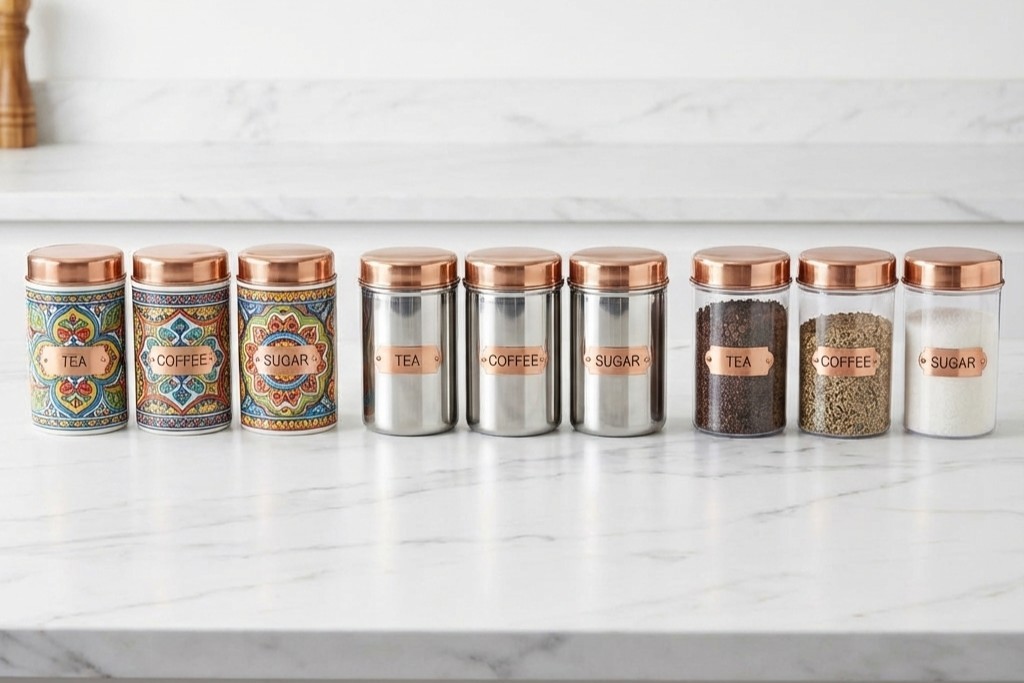
Tea, coffee, and sugar are everyday essentials in most kitchens, and the right canisters play an important role in keeping them fresh, organised, and easy to access. Today, tea coffee sugar canisters are available in a wide variety of materials, designs, and finishes, from modern minimalist sets to decorative designer collections. In this guide, we explore the most common materials used for tea and sugar canisters, compare their advantages and limitations, look at modern and designer trends, and share practical tips to help you choose the right canisters for your kitchen or storage needs. Common Materials Used for Tea Coffee Sugar Canisters Tea coffee sugar canisters are commonly made using three materials: stainless steel, ceramic, and plastic. Each material offers different benefits depending on usage, design preference, and long-term durability. Stainless Steel Tea Coffee Sugar Canisters Stainless steel tea coffee sugar canisters are widely used due to their durability, hygiene, and timeless appearance. They are commonly found in modern kitchens, restaurants, and households that prefer long-lasting storage solutions. Stainless steel does not react with food items and helps maintain the original aroma and freshness of tea, coffee, and sugar. Pros: Limitations: Stainless steel canisters are often preferred for their balance of functionality, hygiene, and modern aesthetics. You can explore different styles and finishes of stainless steel canisters commonly used for dry storage in organised kitchens. Ceramic Tea Coffee Sugar Canisters Ceramic tea coffee sugar canisters are popular for their decorative appeal and are often chosen to complement specific kitchen themes or interior styles. These canisters are usually glazed and come in a wide range of colours, patterns, and artistic designs, making them visually appealing on open shelves or countertops. Pros: Limitations: Ceramic canisters are ideal when visual appeal is a priority, but they require careful handling and may not be suitable for high-usage environments. Plastic Tea Coffee Sugar Canisters Plastic tea and sugar canisters are commonly used for their lightweight nature and affordability. They are available in transparent, frosted, or coloured designs and are often chosen for short-term or casual storage needs. Pros: Limitations: Plastic canisters can be convenient, but they are generally better suited for temporary or low-use storage rather than long-term preservation. Modern Tea Coffee Sugar Canisters: Design Trends Modern tea coffee sugar canisters focus on clean lines, neutral colours, and practical functionality. These designs are often minimalistic and blend well with contemporary kitchen interiors. Popular modern features include: Modern canisters prioritise usability while maintaining a sleek and clutter-free look. Designer Tea Coffee Sugar Canisters Designer tea coffee sugar canisters add character and personality to kitchen spaces. These canisters often feature printed patterns, ethnic motifs, artistic illustrations, or textured finishes. Designer styles are commonly used for: Printed and patterned stainless steel canisters have gained popularity as they combine decorative appeal with durability. Choosing the Right Material for Tea Coffee Sugar Storage When selecting tea coffee sugar canisters, consider the following factors: A well-chosen canister not only improves storage efficiency but also enhances the overall kitchen experience. Customization & Design Flexibility in Canisters Many modern tea coffee sugar canisters now come in a variety of sizes, finishes, and design styles. From simple matte finishes to printed and patterned exteriors, customization allows canisters to suit different preferences and kitchen aesthetics. Stainless steel canisters, in particular, offer flexibility in design and finish, making them suitable for both functional and decorative storage needs. This variety has contributed to their popularity across different kitchen styles. Raj Metal Industries offer customization of stainless steel canisters across India. Check our customization page to know more. Conclusion Tea coffee sugar canisters are more than just storage containers, they play a key role in preserving freshness, maintaining organisation, and complementing kitchen design. While ceramic and plastic canisters offer specific advantages, stainless steel canisters are valued for their durability, hygiene, and versatility. By understanding the differences between materials and exploring modern and designer styles, you can choose tea coffee sugar canisters that meet both practical and aesthetic needs.

difference between 202 and 304 steel
General

202 vs 304 Stainless Steel: Which is Better for Kitchen Use?

When it comes to stainless steel utensils, most Indian buyers know only one thing: “steel is durable.” But very few know that not all stainless steel is the same. The two most common stainless steel grades used in Indian kitchens are 202 and 304, and we often come across confusion about which one is better. As a long-standing stainless steel utensils manufacturer in India, we get this question from distributors, retailers, and even home buyers almost every week. So, here is a simple, clear, and India-focused explanation of 202 vs 304 stainless steel, their differences, safety, pricing and which grade you should choose depending on where you’ll use it. What is 202 Stainless Steel? 202 stainless steel is one of the most widely used grades in India, especially for stainless steel canisters, containers, and tableware. It belongs to the “Austenitic” family of stainless steel, similar to 304, but has a lower nickel content. Key Characteristics Because nickel prices fluctuate globally, India’s utensil market, especially in the last 20 years, has shifted heavily toward 202 stainless steel to maintain affordability for consumers. Common Applications 202 stainless steel is designed for cost-effective production and everyday consumer use where extreme corrosion resistance is not required. What is 304 Stainless Steel? 304 stainless steel, also known as 18/8 or food-grade stainless steel, is one of the highest standards used globally for kitchenware and industrial applications. It contains higher chromium and nickel, giving it superior durability. Key Characteristics Common Applications 304 is the preferred grade for food safety, long-term durability, and environments requiring higher corrosion protection. Difference Between 202 and 304 Stainless Steel Feature 202 Stainless Steel 304 Stainless Steel Nickel Content Low High Manganese Content High Low Corrosion Resistance Good Excellent Rust Resistance Good Excellent Price Affordable Very High Durability High Very High Common Uses Kitchen utensils, storage containers, tableware Premium cookware, commercial kitchens, industrial use Food Safety Food Safe Food Safe Composition Comparison 304 has more nickel and similar chromium, which helps it resist rust and staining better than 202.202 reduces nickel to cut cost, which also reduces rust resistance in harsh conditions. Corrosion Resistance and Hygiene 304 handles wet kitchens, frequent dishwashing, and coastal humidity better.202 is fine for standard indoor use but needs more care near the sea, high humidity, and harsh cleaners. Strength, Durability and Thickness Both can be strong enough for daily use; real durability depends a lot on sheet thickness, smooth edges, and polishing. With the right gauge, both grades can serve well; 304 keeps its look better in tougher use. Food‑Grade Suitability 304 is widely used for food contact due to its stable performance in kitchens.202 can be used for food contact when made and finished properly; avoid harsh, salty, or acidic conditions. Cost and Availability 202 is cheaper and common in value segments.304 costs more but gives better life in heavy use or coastal areas. 202 vs 304 Stainless Steel: Which is Better for Your Kitchen? If your use is heavy, space is humid, or you are near the coast, pick 304 for peace of mind. If you want good value for a regular indoor kitchen with simple care, 202 is a smart choice, just don’t compromise on thickness and finishing. Which Grade Should You Use When? Choose 202 Stainless Steel If: Choose 304 Stainless Steel If: Conclusion Both 202 and 304 stainless steel serve different purposes. 202 is ideal for affordable everyday products, while 304 is the gold standard for longevity, food safety, and performance. Manufacturers and consumers should choose based on usage, budget, and the product’s purpose. For premium kitchenware, cookware, or food-grade applications, 304 remains the superior choice.

best stainless steel utensils manufacturers in india
General

Best Stainless Steel Utensils Manufacturers in India

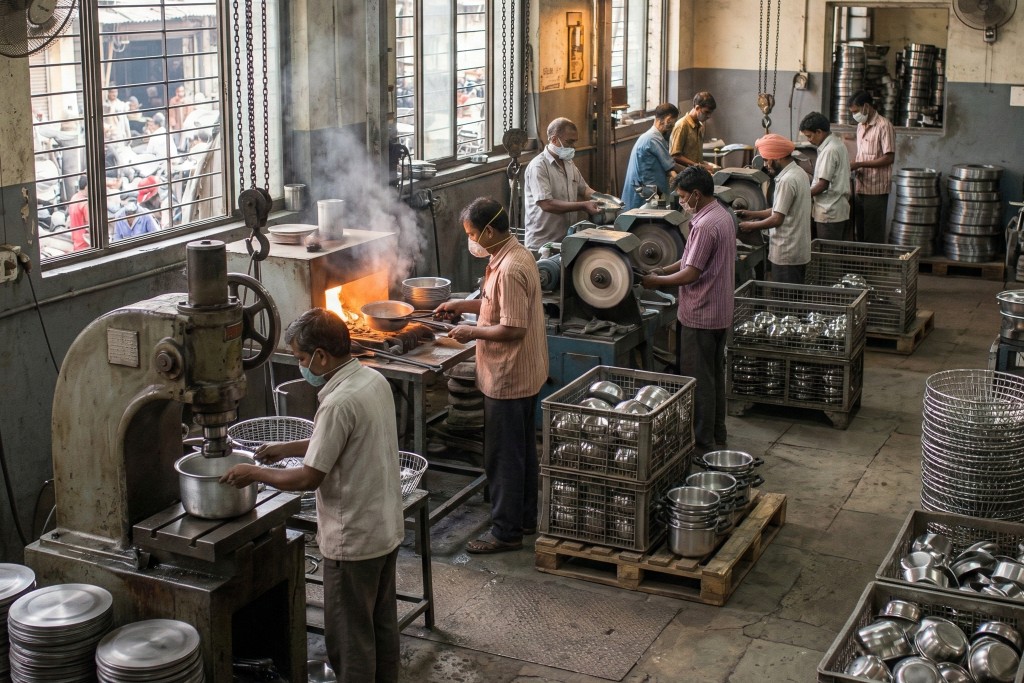
India has emerged as a global hub for stainless steel utensils manufacturing, combining traditional craftsmanship with modern technology to create high-quality kitchenware and tableware. The country is home to numerous manufacturers who produce everything from daily use containers and cookware to premium dining sets and commercial kitchen equipment. These manufacturers use food-grade stainless steel that ensures durability, rust resistance, and easy maintenance, making their products popular in both domestic and international markets. With cities like Mumbai, Delhi, and Sonipat leading the industry, Indian manufacturers have built strong reputations for reliability, innovation, and competitive pricing. Whether you need utensils for household use, hotel supplies, or export purposes, India offers a wide range of trusted manufacturers who can meet diverse requirements with consistent quality and timely delivery.​ Top 5 Best Stainless Steel Utensils Manufacturers in India 1. Raj Metal Industries (Mumbai) Raj Metal Industries stands as one of the oldest and most trusted stainless steel utensils manufacturers in India, with operations beginning in 1980. Based in Mumbai, this company has built a solid reputation over more than four decades by manufacturing premium quality kitchenware, tableware, and storage containers using 202 grade stainless steel. The company operates from a state-of-the-art 4,500 square feet facility equipped with 15 energy-efficient machines and employs skilled craftsmen who have contributed over 10,000 hours of expertise. Raj Metal Industries supplies 97,000+ dabbas and canisters monthly, along with 97,000+ kitchenware items and 178,000+ tableware pieces, showcasing their large-scale production capabilities. With an impressive 99.8% on-time delivery rate and 100% quality assurance, they have earned a 98% supplier satisfaction rate. The company follows rigorous manufacturing processes including hydraulic pressing, deep drawing, round cutting, rolling, edge rounding, acid treatment, and polishing to ensure each product meets the highest standards. They serve customers across 10+ countries and have created 80+ local jobs while maintaining sustainable practices with a 75% reduction in plastic packaging. Their product catalog features over 100 unique designs with quarterly launches, making them a preferred choice for distributors, retailers, hospitality businesses, and corporate gifting needs.​ 2. Jewel Impex Pvt Ltd (Mumbai) Jewel Impex Pvt Ltd, is a prominent manufacturer and exporter of stainless steel kitchenware from Mumbai. The company started as Jewel Enterprise, supplying to local traders and distributors, and later transformed into Jewel Impex Pvt Ltd in 2003 to serve international markets directly. They operate integrated production facilities spanning in the outskirts of Mumbai, employing 150-200 skilled workers. The company is ISO 9001:2008 certified and SEDEX audited, ensuring quality standards are maintained throughout production. Jewel Impex manufactures a diverse range including kitchen tools, cookware, cutlery, bowls, colanders, plates, trays, jugs, containers, barware, and pet products. They offer OEM services with an in-house tool room for custom manufacturing. The company serves major markets including USA, South America, South Africa, UK, Europe, Australia, and the Middle East, maintaining a 95% customer satisfaction rate and ensuring 100% on-time delivery.​ 3. Marvel India (Mumbai) Marvel Houseware Pvt Ltd, operating as Marvel India, is recognized as one of the leading manufacturers, wholesale suppliers, and exporters of stainless steel products from Mumbai. The company specializes in comprehensive product lines including kitchenware, cookware, barware, bathware, petware, hotelware, and all types of household articles. Marvel India offers an extensive range of over 600 state-of-the-art kitchen products covering stock pots, steamers, buckets, colanders, strainers, bar accessories, pet products, bowls, cups & mugs, food carriers, and serving items. They manufacture products using finest quality materials that meet international standards and are committed to total quality excellence from product design through every production stage. The company also develops custom products according to buyer specifications, helping them expand their product range while ensuring customer satisfaction. Marvel India caters to both retail housewares and professional HORECA (Hotel, Restaurant, Catering) sectors, making them versatile suppliers for diverse market needs.​ 4. Jayna Steel India (Sonipat, Haryana) Jayna Steel India, established in 1995, is a trusted manufacturer, supplier, and exporter based in Sonipat, Haryana, bringing over 30 years of experience to the stainless steel industry. The company manufactures a wide variety of products including colanders and strainers, stainless steel bowls, pet products, fruit bowls, bread baskets, barware, tableware, storage containers, utensil holders, serving trays and platters, utility products, office utility items, home decor products, mugs and tumblers, kitchen tools, promotional sets, cutlery, cookware, and dinnerware. Jayna Steel India is managed by highly-skilled professionals with profound 35+ years of knowledge and expertise in engineering product manufacturing and marketing. Their team works with client-centric approaches to achieve high standards and maximum customer approval. The company follows ethical business practices and maintains commitment to delivering quality products for consumers, business associates, and stakeholders. Their dedicated supplier team ensures timely delivery within predetermined timeframes, making them reliable partners for businesses across India and international markets.​ 5. Saurabh Steels (Delhi) Saurabh Steels India, established in 1991, is a pioneer of stainless steel utensils and aluminum cookware manufacturing in Delhi with over 30 years of industry experience. The company is recognized as one of the leading in-house manufacturers and wholesale suppliers offering best quality stainless steel kitchen utensils, aluminum cookware, and dineware household products. Over the past three decades, Saurabh Steels has expanded its portfolio to include a wide range of home solutions including dinner sets available in 36, 57, and 61 pieces, tiffin boxes with and without covering bags, cookware, containers, spice boxes, cutlery, glasses, pressure cookers, saucepans, pots, oil dispensers, water bottles, buffet sets, and various kitchen accessories. The company moulds excellence as per industry norms and safety standards for stainless steel and aluminum products. Saurabh Steels is committed to total quality excellence reflected in their efforts from product design through every production stage until shipment. With an annual turnover ranging between 25-100 crore, the company has built a strong customer base that appreciates their quality, wide range of designs, and value for money.​ Why Choose Indian Stainless Steel Utensils Manufacturers Indian stainless steel utensils manufacturers offer several compelling advantages that make them preferred choices for buyers worldwide. The manufacturing process in India follows systematic steps including

Scroll to Top