Most wholesalers and distributors sourcing stainless steel utensils still rely on traders or agents to connect them with factories. This works, but it adds layers and each layer adds cost.
Buying directly from a stainless steel manufacturer in India cuts out those layers. You get better pricing, more control over product specifications, and a supply chain that you actually understand. This guide walks you through exactly how to do that.
Why Buying Direct Makes Business Sense
When you go through a trader, the price you see already includes their margin. By the time goods reach you, two or three parties may have added their cut. For small or one-time orders, that is fine. But for regular bulk orders, the difference is significant.
Sourcing direct gives you:
- Lower per-unit cost because there is no middleman margin
- Ability to specify product details – size, gauge, finish, steel grade, packaging
- Consistent quality because the same factory is producing every order
- A direct line to the production team when you need changes or have issues
- Faster reorders since you already have an established relationship
Step 1: Know Exactly What You Need Before You Reach Out
Manufacturers receive many inquiries every day. A vague inquiry like “I need stainless steel utensils” will get a vague response. A specific inquiry gets a faster, more useful quote.
Before contacting anyone, be ready with:
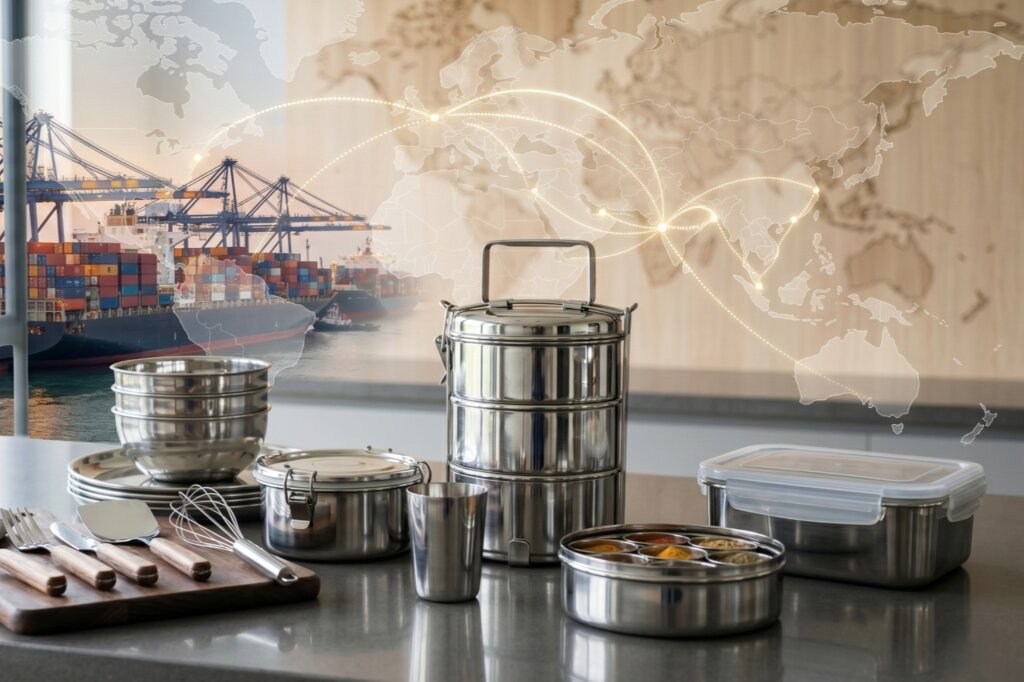
- Which products you need – ss tiffin boxes, dabbas, glasses, mugs, balti, or others
- Approximate quantities per item and per order
- Steel grade preference – SS 202 or SS 304
- Size and gauge requirements if you have them
- Packaging needs – loose, boxed, branded, or plain
If you are not sure about some of these, a good manufacturer will guide you. But the more detail you provide upfront, the smoother the conversation will be.
Step 2: Find a Real Manufacturer, Not a Reseller
This is the most important step and where many buyers go wrong. Not everyone who lists themselves as a manufacturer on directories like IndiaMART actually makes the product. Many are traders who buy from factories and sell at a markup.
How to identify a genuine manufacturer:
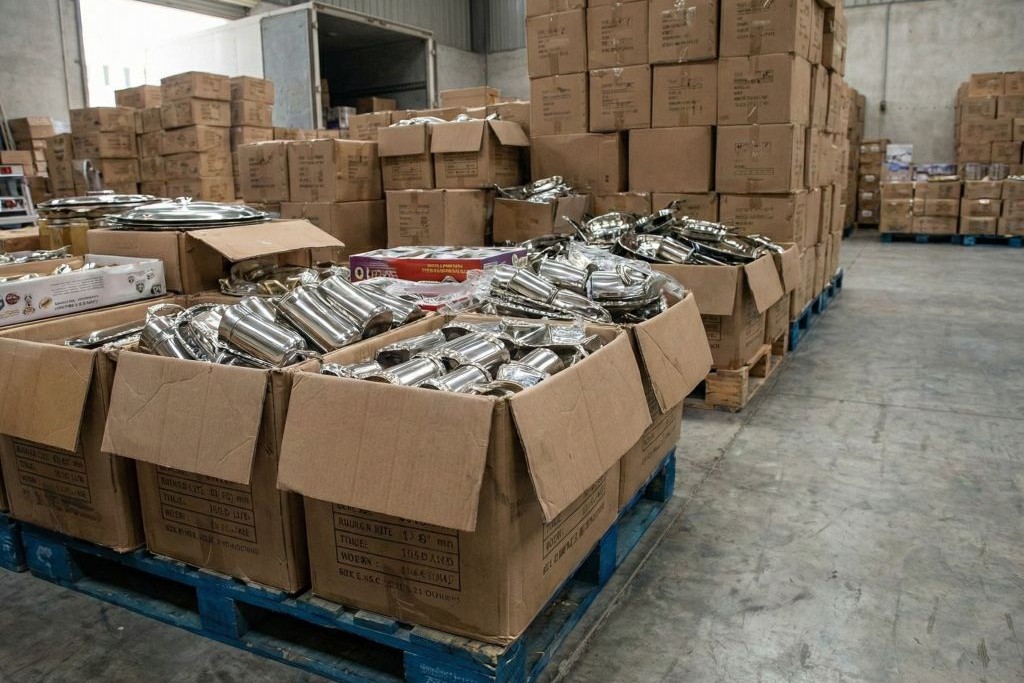
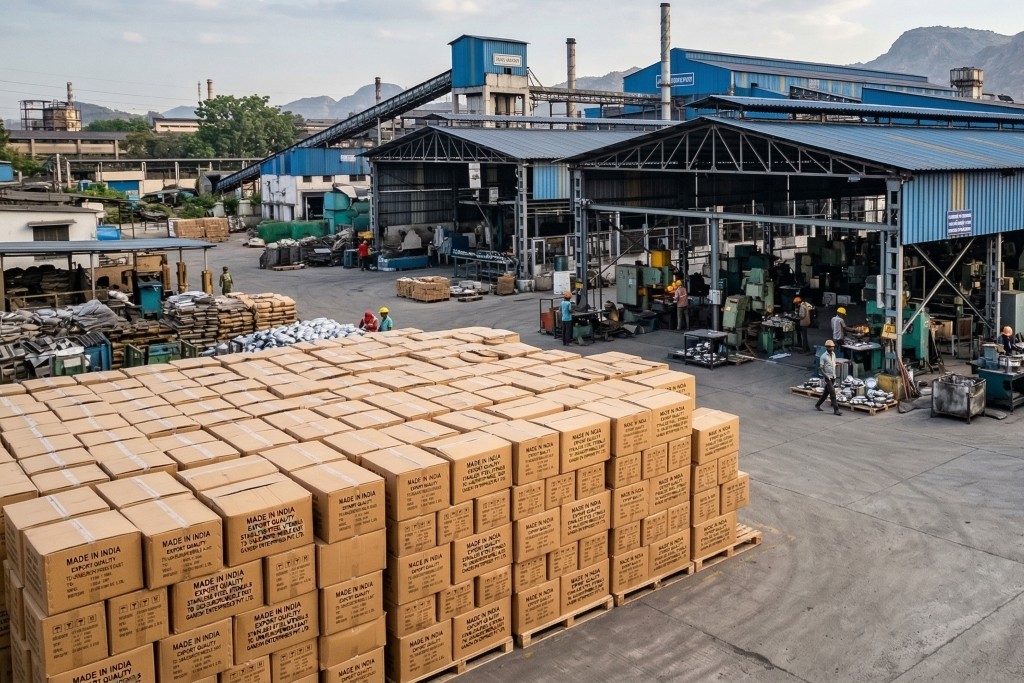
- They can show you their factory – photos, videos, or a live video call
- They can answer technical questions about steel grade, wall thickness, and finishing
- Their MOQ reflects production minimums, not just stock availability
- They have experience with commercial invoices, packing lists, and export documentation
- They have a track record – ask for existing buyer references
Always call the manufacturer directly. A short conversation tells you a lot about how they operate.
Step 3: Always Request Samples First
No matter how good the catalogue looks, do not place a bulk order without testing the product. Most manufacturers will send samples — either at cost or with the amount credited against your first order.
When you receive samples, check:
- Surface finish – no rough edges, dents, or uneven polishing
- Weight and thickness – compare against what was quoted
- Lid fit and weld quality for tiffin boxes and dabbas
- Steel grade – you can request a material test certificate for SS 304
- Packaging durability – will it survive a long shipment?
One bad bulk order is far more expensive than getting samples right. Do not skip this step.
Step 4: Get a Detailed Quote and Agree on Terms
Once the sample is approved, ask for a full quotation. A proper manufacturer quote should clearly state:
- Per unit price at your required order quantity
- Packaging cost, if charged separately
- Payment terms – advance percentage and balance schedule
- Lead time from order confirmation to dispatch
For first orders, most manufacturers ask for 30 to 50 percent advance via bank transfer, with the balance paid before shipment. As the relationship builds over time, terms can become more flexible.
Always confirm all details in writing – quantity, specifications, price, payment schedule, and delivery date. This protects both sides.
Step 5: Plan for Consistent Reordering
The first order is just the start. The real value of sourcing direct comes from building a consistent supply relationship over time.
When evaluating a manufacturer for long-term supply, look for:
- Consistent quality – the fifth order should match the first
- Clear communication – do they respond quickly and follow through?
- Flexibility – can they adjust quantities or add new products as your needs grow?
- Production capacity – can they scale up if your volumes increase?
A manufacturer who has been running for years and has repeat export clients is a strong sign of reliability.
Exporting to the Middle East: What to Know
If you are importing stainless steel utensils from India to countries like UAE, Kuwait, Saudi Arabia, or Yemen, there are a few additional things to sort out.
Shipping terms to agree on:
- FOB (Free on Board) — the manufacturer delivers to the Indian port, and you handle freight and customs from there
- CIF (Cost, Insurance, Freight) — the manufacturer arranges shipping to your destination port
Documents typically required for Gulf imports:
- Commercial invoice
- Packing list
- Certificate of origin
- Bill of lading
- Quality or material test certificate (if required by your customs)
A manufacturer with existing Gulf export experience will already be familiar with these requirements. They will either handle the documentation themselves or work with a freight forwarder who does. This saves you a lot of back and forth, especially on your first shipment.
Common Mistakes to Avoid
- Choosing only on price: The lowest quote usually means a lower steel grade or inconsistent quality. Always clarify the grade.
- Skipping the sample stage: Photos and catalogues do not tell you everything. Always test before committing.
- Not checking MOQ carefully: Make sure the minimum order fits your storage and cash flow. Some manufacturers have a low per-item MOQ but a high minimum order value overall.
- Ignoring lead times: Factories get busy, especially before peak seasons. Plan orders well in advance.
Conclusion
Sourcing directly from a stainless steel manufacturer in India is not complicated once you know the process. Be clear about what you need, verify who you are dealing with, test before you commit, and treat it as a long-term relationship rather than a one-time transaction.
At Raj Metal Industries, we have been manufacturing and exporting stainless steel utensils for over 40 years. We work directly with wholesalers, distributors, and bulk buyers – no agents, no middlemen. If you want to discuss your requirements, get in touch with us directly.