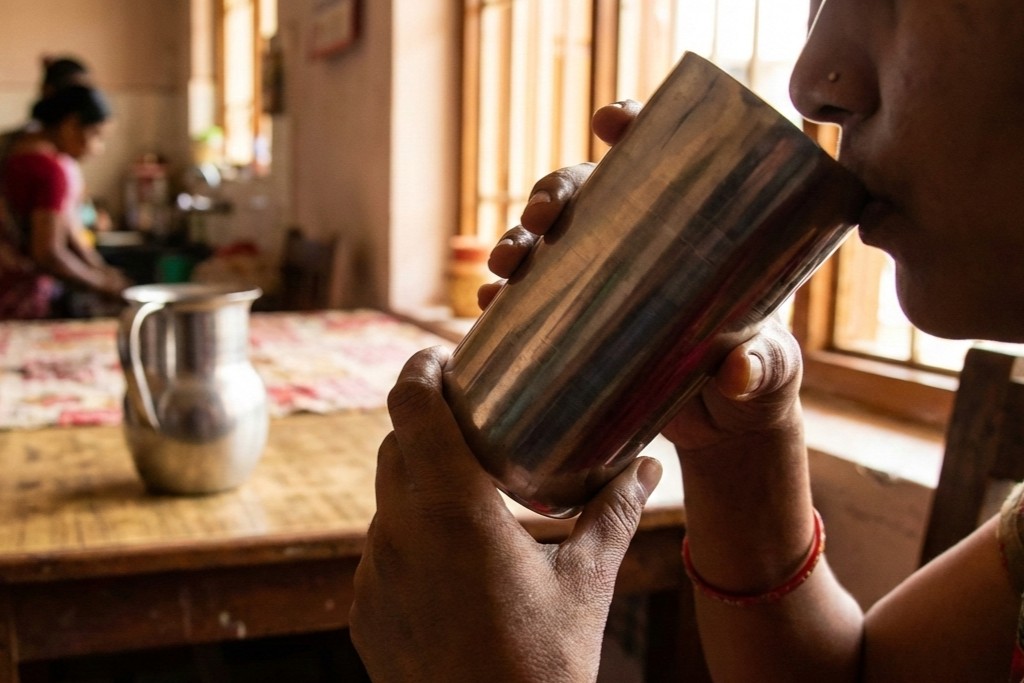
In India, stainless steel has long been the preferred material for everyday kitchen and dining use. Among the many utensils used daily, stainless steel glasses continue to play an important role in how water is consumed at home, in offices, and in public spaces.
As awareness around hygiene, food safety, and sustainability grows, many people are re-evaluating the materials they use for drinking water. This article explores the health, safety, and practical benefits of drinking water in a stainless steel glass, and why it remains a reliable choice across Indian households and institutions.
Is Stainless Steel Safe for Drinking Water?
Stainless steel is widely regarded as a safe material for drinking water when manufactured using food-grade stainless steel, such as 202 or 304 grade.
Food-grade stainless steel is designed to:
- Resist rust and corrosion over prolonged use
- Withstand repeated exposure to water without degradation
- Remain chemically stable under normal drinking conditions
Unlike certain metals or coated materials, stainless steel does not react with water. This makes it suitable for daily use, whether the water is consumed at room temperature or slightly warm, which is common in many Indian households.
Because of these properties, stainless steel glasses are commonly used in:
- Homes and apartments
- Schools and colleges
- Offices and factories
- Hospitals and community dining spaces
Health Benefits of Drinking Water in Steel Glass
No Chemical Leaching Into Water
One of the key health-related advantages of stainless steel is that it does not leach chemicals into drinking water. Materials such as plastic may degrade over time, especially with frequent washing or exposure to heat.
Stainless steel remains stable and does not release harmful substances, making it suitable for long-term, repeated daily use. This is particularly relevant for families aiming to reduce unnecessary exposure to chemicals through regular habits like drinking water.
Hygienic and Easy to Maintain
Stainless steel has a smooth, non-porous surface that does not absorb moisture, odors, or residues. This property helps prevent bacterial buildup and makes thorough cleaning easier.
In Indian climatic conditions where heat and humidity are common, maintaining hygiene in everyday utensils is essential. Stainless steel glasses can be washed frequently without affecting their surface quality, making them suitable for continuous use.
Maintains the Natural Taste of Water
Another practical benefit of stainless steel glasses is that they do not interfere with the taste of water. Unlike some low-quality containers, stainless steel does not retain flavors or odors from previous use.
As a result, water remains neutral in taste, encouraging regular hydration throughout the day without discomfort or aftertaste.
Benefits of Drinking Water from Stainless Steel Over Other Materials
Stainless Steel vs Plastic
Plastic containers are lightweight and inexpensive, but they may not always be suitable for long-term daily use.
Compared to plastic, stainless steel:
- Has a longer usable lifespan
- Does not degrade easily with washing
- Is safer for warm or hot liquids
- Is recyclable and environmentally responsible
With increasing awareness of plastic waste and sustainability in India, stainless steel offers a more durable and eco-conscious alternative.
Stainless Steel vs Glass
Glassware is chemically inert but may not be practical for all environments.
Stainless steel glasses:
- Are less prone to breakage
- Are safer for homes with children
- Perform better in high-usage settings such as offices and institutions
These factors contribute to the continued preference for stainless steel glasses in Indian households and community spaces.
Why Stainless Steel Glasses Are Common in Indian Homes
The widespread use of stainless steel glasses in India is rooted in practicality, affordability, and trust built over decades. Steel utensils have traditionally been chosen for their ability to withstand daily use without compromising hygiene.
Today, manufacturers such as Raj Metal Industries produce stainless steel glasses that meet modern expectations for food safety, finish, and durability.
Drinking Water in Stainless Steel Glass for Daily Use
Using a stainless steel glass for daily hydration supports consistent water consumption without concerns around wear and tear.
Steel glasses are:
- Easy to clean after repeated use
- Convenient to store and stack
- Suitable for individual as well as shared use
Their durability makes them a dependable option for routine meals, work hours, and gatherings.
Can Stainless Steel Bottles Be Used for Drinking Water?
Stainless steel bottles are also commonly used for drinking water, particularly for travel, outdoor use, or longer storage durations. They offer similar safety and hygiene benefits as steel glasses.
For regular home and dining use, however, stainless steel glasses and cups are often preferred due to their ease of access, quicker cleaning, and suitability for frequent refilling.
Related drinkware options such as stainless steel cups and mugs are also widely used for water and other beverages.
How to Choose the Right Stainless Steel Glass for Drinking Water
When selecting a stainless steel glass, it’s important to look beyond appearance and consider functional quality.
Key factors include:
- Use of food-grade stainless steel
- Smooth inner finish for easier cleaning
- Proper thickness and balanced weight
- Reliable manufacturing standards
Choosing products from experienced stainless steel manufacturers ensures consistency, safety, and long-term usability.
Conclusion
Drinking water in a stainless steel glass remains a practical and hygienic choice for Indian households. Its safety, durability, and ease of maintenance make it suitable for daily use across homes, workplaces, and institutions.
With growing awareness around material safety and sustainability, stainless steel continues to stand out as a reliable option for clean and safe drinking water.